The creator blueprint for making it your business
Posted on Jan 9, 2026 by Pro Moviemaker
A foundational guide to becoming a successful and profitable content creator in 2026
Words Adam Duckworth
Visual storytelling has broken out of the cinema and exploded across every screen we own. What was once the turf of big crews and broadcast schedules is now thriving in
the hands of creators building audiences one upload at a time. For filmmakers, that shift shouldn’t be seen as a trend but instead a huge opportunity.
Content creation and video podcasting are two of the fastest growing arenas in the industry, and they’re hungry for professional craft. In a world of throwaway content, a filmmaker’s eye is still the secret weapon for better shots, sound and stories.
Today’s creators aren’t waiting for permission or a film school qualification to start. With powerful cameras, creator-focused gear and platforms like YouTube, TikTok and Instagram, savvy shooters are turning their skills into careers – from cinematic vlogs to behind-the-scenes breakdowns, tutorials, reviews and full-blown video podcasts.
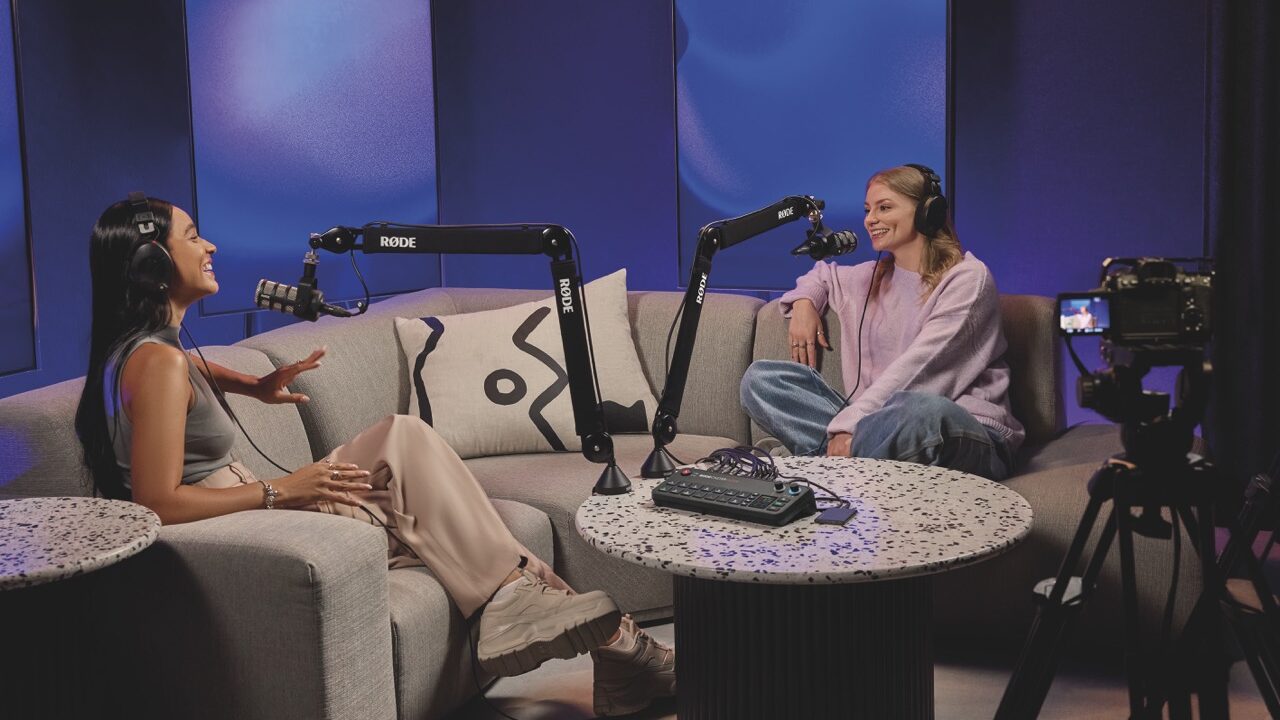
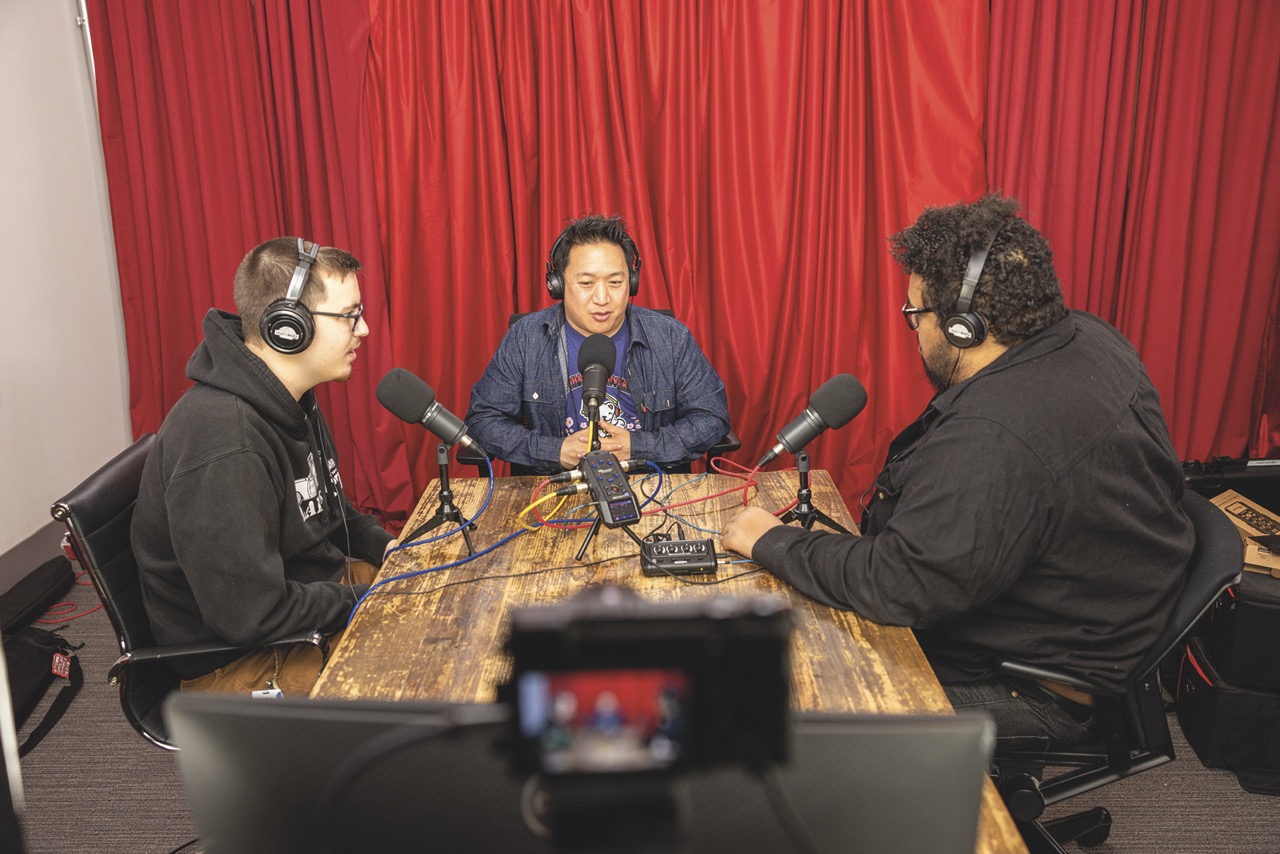
And podcasting – now a mainstream visual format – is booming. High-quality, personality-driven shows are the new talk shows and filmmakers are perfectly placed to make them look and sound premium.
With the industry racing to equip this new wave of storytellers, we round up the latest trends, plus all the kit designed for filmmakers ready to get serious about this new economy.
Finding your niche
One of the biggest challenges in content creation today is helping your audience find you. In a world drowning in videos, shorts, reels and podcasts, the creators who break through aren’t the ones trying to appeal to everyone – they’re the ones who specialise. Finding your niche and sticking to it isn’t limiting; it’s liberating. It gives your work a point of view, a purpose and a clear identity your audience can instantly recognise.
For filmmakers, this is a big advantage. You already have visual craft, storytelling instinct and technical know-how. The key is deciding where to apply it. Maybe it is cinematic tech reviews or lighting tutorials. Could it be location sound tips, doc-style vlogs, behind-the-scenes breakdowns or narrative-driven travel films? The goal isn’t to be the best at everything but the go-to person for something.
A strong niche also creates consistency, which fuels the algorithms on platforms like YouTube, TikTok and Instagram. It builds trust with viewers, too. When people know what you stand for, they know why to come back.
The most effective niches combine three elements: what you’re good at, what you enjoy and what audiences actually want. Where they overlap will be your lane.
Start small, refine as you go and let your niche evolve naturally. Once you own your corner of the creator universe, you’ll find that opportunities – brands, clients, collaborations and loyal fans – begin to find you.
Developing a recognisable style
Talent alone isn’t enough – you need a signature, a recognisable style that makes viewers stop scrolling, watch longer and come back for more. For filmmakers, this is both a creative opportunity and a strategic advantage as your style becomes the brand.
Developing that style starts with understanding what naturally draws you. Are you obsessed with bold colour, natural light, cinematic movement or punchy handheld energy? Begin by identifying the visual and storytelling traits you consistently gravitate towards, then lean into them. Consistency makes your work feel intentional.
Rhythm, pacing and structure also play a huge part. Whether your edits are fast and percussive or slow and atmospheric, audiences connect with a feeling. Keep refining the emotional tone that sits at the heart of your films.
Equally important is the world you build around the visuals, such as your music choices, typography, transitions and even how you address the viewer. All of these micro-elements accumulate into something unmistakably yours.
But style isn’t static, it evolves. The key is to experiment within your own framework. Add new techniques, try fresh formats but maintain the creative DNA that makes your work recognisable across platforms.
When you develop a style that feels authentic, cohesive and confidently yours, you stop being just another creator – you become the filmmaker audiences look for and the one clients want to hire.
The psychology of captivating content
Great content isn’t just beautifully shot, it’s psychologically engineered to hold attention, especially with audiences who just love to keep scrolling. Filmmakers who understand why people watch are the ones whose work cuts through the noise.
At the heart of compelling content lies the hook – a question, tension point or compelling image that grabs the viewer in the first three seconds. Once they’re in, it’s the micro-moments that keep them there – those tiny beats of curiosity, surprise or emotional payoff that stimulate the brain’s reward system. Think of them as narrative breadcrumbs – small hits of dopamine that pull viewers forward.
Emotion is the real engine. Whether it’s awe, humour, tension or empathy, emotional triggers build connection fast and make content memorable. Even highly technical creators benefit from this. For example, a lens test or lighting tutorial becomes dramatically more watchable when it’s framed around a challenge, story or transformation.
Then there’s the pacing, flow and energy of your edit. Fast cuts create momentum, lingering shots build intimacy, while rhythmic variation prevents fatigue.
Ultimately, captivating content works because it mirrors how our brains expect information from visual media. Clear stakes, emotional beats and satisfying progression make a winning film.Filmmakers already think in these terms, so the opportunity now is to apply that storytelling instinct to different styles like short-form, social and documentary-style content.
Picking the perfect home for your work
One of the biggest decisions a filmmaker-turned-creator faces isn’t what camera to shoot on but where the work should live. Every platform has its own culture, rhythm and audience expectations, and choosing the right one can make the difference between obscurity and traction.
Short-form platforms like TikTok and Instagram Reels reward immediacy. They excel at punchy storytelling, fast hooks and visually bold ideas. If your strength lies in high-impact imagery, snappy edits and micro-moments, then short form is a great way to grow quickly and test your concepts. These platforms favour experimentation, frequency and personality-driven content.
Long-form platforms like YouTube and Vimeo offer something different – the luxury of time. They allow space for narrative structure, tutorials, breakdowns, reviews, documentaries and more crafted filmmaking. YouTube, in particular, is still the most versatile system as it’s a place where creators can build relationships, monetise effectively and showcase their cinematic skills without the constraints of a 30-second limit.
Then there are niche platforms such as Patreon, Substack and Twitch, which thrive on community rather than scale. These reward creators who want stable income, direct fan support and a more intimate audience connection.
The key is aligning your strengths and goals with the platform’s strengths and audience behaviours. Are you a storyteller who requires breathing room, a fast-cut visual stylist or personality-led creator? You don’t have to be everywhere – just where your content works best.
Choose the right business model
For filmmakers expanding into content creation, the biggest shift isn’t creative but commercial. The modern creator economy offers more ways than ever to turn your skills into income, and many of them pay well. The key is thinking beyond the traditional client-work model and building multiple, flexible revenue streams.
The fastest route to income is still production services by shooting podcasts, YouTube content, branded social clips and talking-head videos for clients who don’t have the skills or gear to do it themselves. It’s reliable, scalable and your filmmaking expertise instantly sets you apart.
But the real power comes from layering on creator-driven revenue. Platforms like YouTube and TikTok reward watch time and consistency, meaning a well-targeted niche channel can generate ad revenue surprisingly quickly. Add affiliate marketing, where recommending gear you actually use earns commission, and you’ve got a passive layer of income that grows with your audience.
Then there’s the premium tier of online courses, Patreon memberships, workshops and digital downloads. Filmmakers are uniquely positioned to teach skills – from editing techniques to lighting breakdowns to cinematic vlogging. These products sell while you sleep.
Don’t overlook brand partnerships. Companies actively seek creators who produce polished visuals, even if their audiences are modest but engaged.
Smart creators will not rely on just one model. They will build an ecosystem where services bring cash, content brings growth and digital products bring scalable income. The truth is, for filmmakers, it has never been easier to turn storytelling into a sustainable business.
What actually matters about kit
If you are used to being handed kit to use as a camera operator, or getting in rented equipment to match codecs and colours with the rest of the crew, then prepare for a very different world when it comes to content creation. Virtually all content creators own their own kit, and only rent specialist gear when needed.
When it comes to buying gear, it’s easy to get swept up in numbers that look impressive on paper but mean very little once you’re rolling. What actually matters is often far simpler and more practical.
Start with autofocus. Trad filmmakers may swear it’s manual focus or nothing. But modern AF has become so good that it can genuinely save a shoot, especially for solo operators and creators working without a dedicated focus puller. Reliable tracking beats theoretical accuracy, especially if you want to run a two-camera set-up.
Next, consider stabilisation. Whether in body or lens based, good stabilisation unlocks smoother handheld work, lets you move faster and can even replace a gimbal for lighter shoots.
Internal NDs can be a game changer as the ability to control exposure without fiddling with filters keeps your workflow fluid and footage consistent. Once you have them, you’ll wonder how you coped before. But these are limited to cine cameras which often increase bulk and cost. Variable NDs are typically a better option.
On the recording side, open gate sensors are the latest craze as they give you valuable reframing flexibility, multiple aspect ratios and more resolution to play with in post. But they often mean you are shooting in the highest resolution with limited frame rates and codec options. They are not the holy grail some manufacturers will let you believe they are.
Your codec and bit rate determine how well the footage holds up to colour grading, VFX work and heavy compression for online platforms. But Raw files eat up memory space and need an extra step in post.
Strong colour science still trumps raw specs. A camera that renders skin tones beautifully and grades cleanly will always outperform one with higher numbers but weaker character.
Finally, never overlook battery life. It’s not glamorous, but long-lasting power keeps shoots moving and stress levels low.
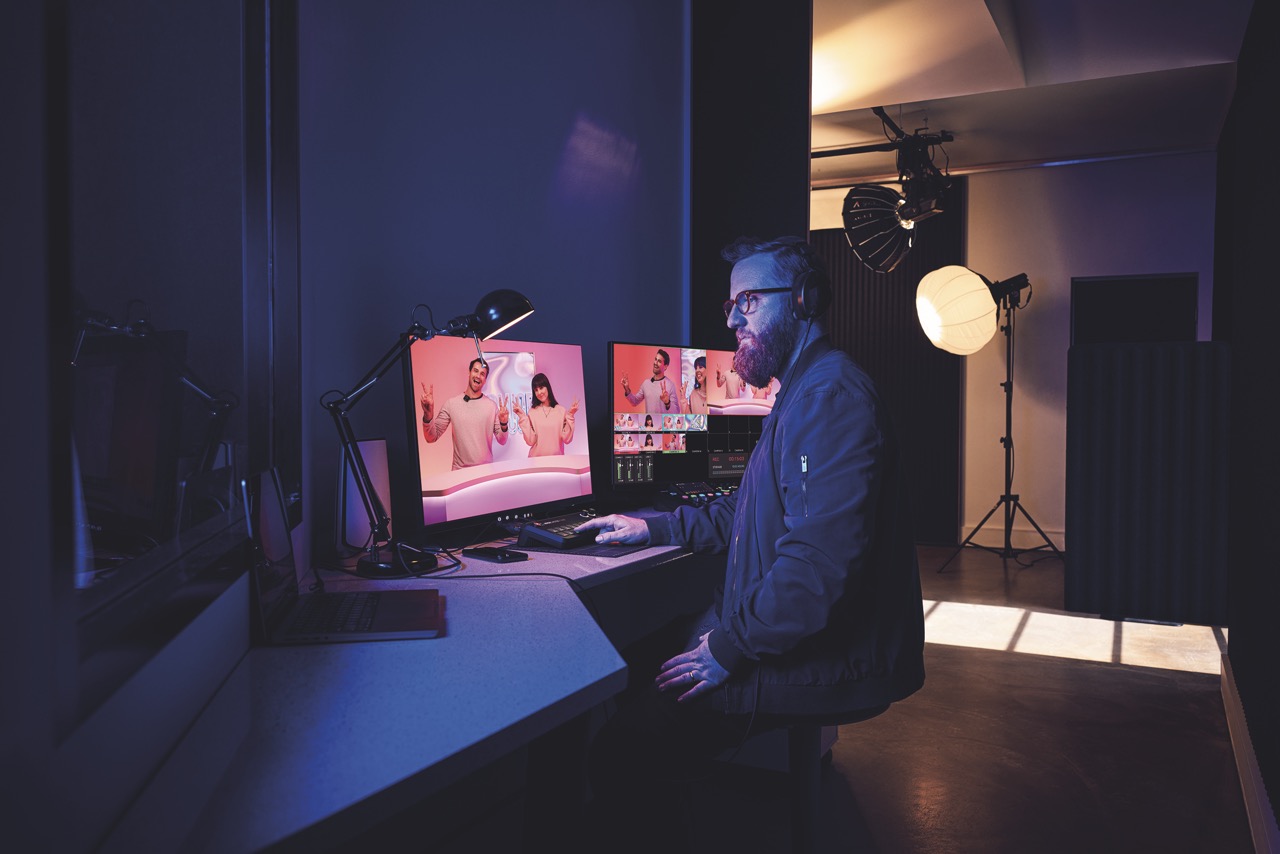
For professional podcasting you ideally need a camera designed for long shoots in the studio, with AC mains support, incredible AF, no overheating issues and impressive colour science.
In short, it’s best to choose kit which improves your workflow and storytelling – not what inflates a spec sheet.
Audio first, everything else second
If there’s one thing that instantly distinguishes amateur content from professional work, it’s audio. Viewers will forgive shaky handheld shots or rough lighting, but they’ll click away in seconds if the dialogue is muddy, distant or distorted. Sound shapes mood, supports storytelling and creates immersion. For filmmakers stepping into content creation, mastering audio is one of the fastest ways to elevate production value.
The essentials start with choosing the right microphone for the job. A high-quality shotgun mic is your frontline tool for talking-head videos, cinematic sequences and location shoots, delivering tight directionality and clean dialogue. If you are going for more movement-heavy content, interviews or solo filming, wireless lavalier systems offer freedom, consistency and broadcast-quality clarity without the clutter of cables.
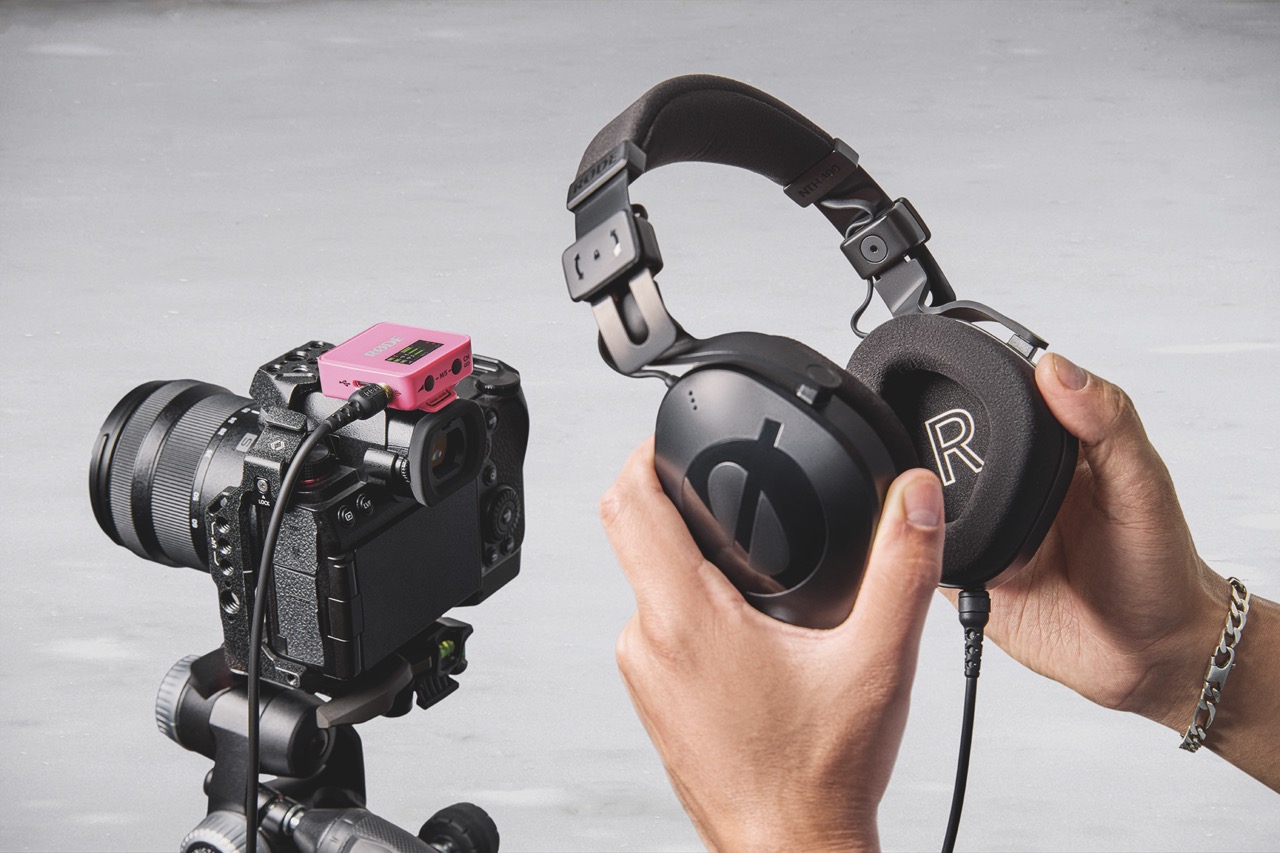
Creators producing podcasts, voiceovers or tutorials will benefit from a USB or XLR studio mic paired with an interface or recorder that ensures clean gain and low noise. Add on a pair of accurate monitoring headphones and you’ll immediately tighten your workflow.
Don’t overlook accessories such as wind protection, shock mounts, audio recorders and portable mixers. These can make the difference between salvageable sound
and unusable takes.
Audio isn’t just a technical add-on, it’s the backbone of compelling content. Nail it, and your storytelling becomes clearer, more cinematic and infinitely more watchable.
The power of peripherals
Cameras and lenses might be the heart of your system but accessories are what make a workflow smooth, reliable and repeatable. The right supporting gear can elevate production quality just as much as a new body or lens, and often delivers better value for money.
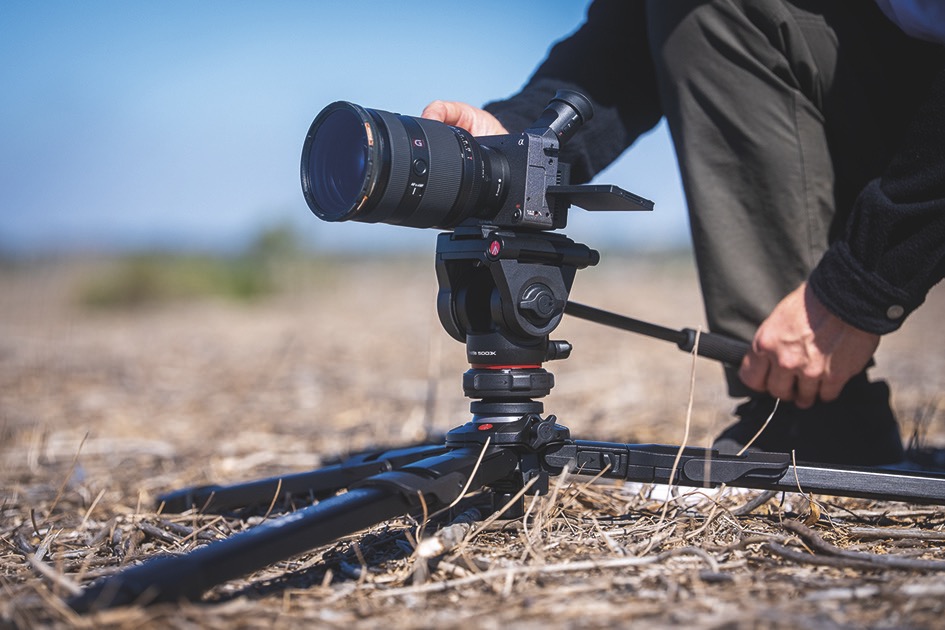
A dependable tripod remains essential. Whether you’re filming interviews, product demos or establishing shots, stable support instantly improves the perceived quality of your content. Many manufacturers are now making hybrid-style tripods suitable for stills and video. Pair it with a compact travel tripod or mini tabletop stand for working in tight spaces.
Lighting shapes the entire visual mood, and even a simple LED panel or tube light can transform a scene. Modern RGB fixtures enable creators to add colour, accents and practical motivation without large set-ups. For run-and-gun work, small on-camera lights are invaluable to lift a scene.
Stabilisation tools like gimbals make handheld footage smoother and more cinematic, especially for walk-and-talks, behind-the-scenes content or dynamic B roll. Meanwhile, drones open up aerial perspectives that instantly boost production value and set creators apart. Get a sub-250g version and you’re OK to shoot without a licence in most countries.
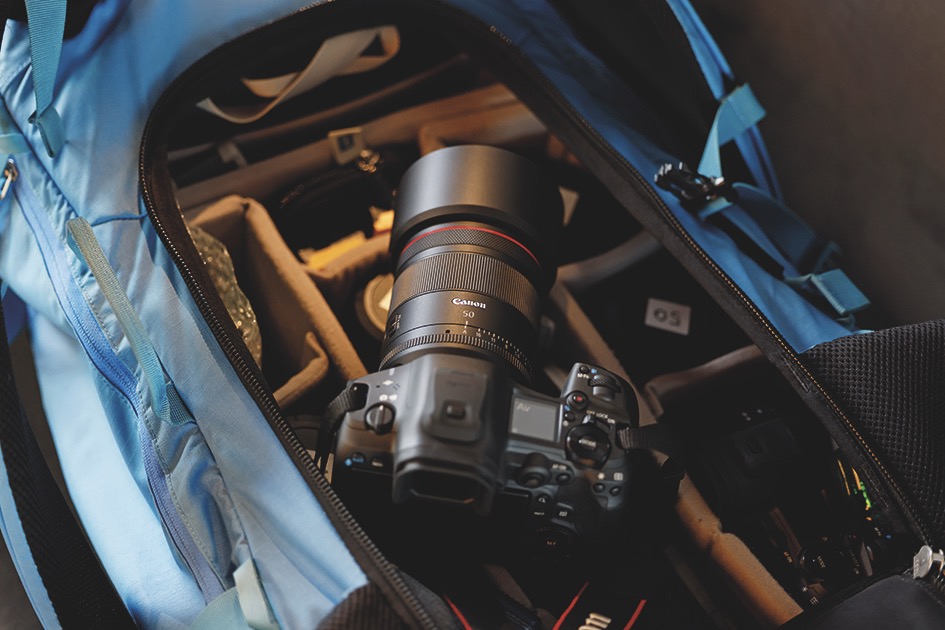
Don’t overlook the workflow essentials such as variable ND filters for controlling exposure, power banks and V-Mount batteries for long days, rugged hard drives and durable media cards. Plus a decent bag or case to store and transport your kit in.
With the right tools supporting your camera, you gain flexibility, consistency and the freedom to create with confidence in any environment.
The right light brigade
Decent lighting needn’t cost the earth and can transform your work. That’s especially important in a studio where you need large light sources for soft and flattering results. These could be light panels or COB lights, which can then be fitted with modifiers like softboxes or umbrellas.
For a powerful COB light look no further than the 1200x, which is the first light in Aputure’s new Storm range that uses a brand-new Blair light engine with blue, lime, amber, indigo and red LED chips to make a full-spectrum white light. It also has an ultra-wide CCT range and colour-accurate dimming.
This powerful COB is designed to deliver a better-quality white light, helped by the calibrated indigo LEDs which enhance fluorescing materials. The resulting output better matches natural daylight and avoids black-coloured objects – especially textiles – taking on a false purple hue.
For a more compact solution, Amaran’s cost-effective and portable Ace 25x and 25c, bicolour and full-colour LED lights respectively, claim to pack double the brightness of similarly sized lights at 32W.
These compact LEDs are the first to use Amaran’s Ace Lock quick-release mount, which is designed to snap the light onto a camera or tripod in less than a second. This is a more efficient and secure system as it uses a speedy Ace Lock to coldshoe adapter rather than screwing the light onto a stand.
If you’re looking for a larger panel, the latest in Nanlite’s Pavoslim LED light panel range of super-thin fixtures is the 240CL, a 4×1 RGBWW model with a powerful 240W output. Weighing just 3.62kg/7.98lb, it uses carefully designed optical lenses for four times the output of similar products to deliver 21,030 lux at 1m/3.3ft.
The Pavoslim 240CL’s elongated shape, combined with a thickness of just under 2.35cm/1in, means it can be set up in tight spaces or locations with low ceilings.
For travelling light, Neewer’s super-compact HB80C full-colour COB LED is an 80W unit designed for content creators who are on the go.
Thanks to its innovative light-mixing cavity, the HB80C guarantees smooth, balanced colour rendering throughout the spectrum, with 95+ CRI and 97+ TLCI ratings for natural, lifelike hues. For white light, there is a range from warm 2500K to a cool 7500K to suit any scene.
Godox has a series of five flexible LED lighting mats that now offer full RGB, joining its bicolour versions. When comparing mats of the same size, the new versions are lighter and more powerful with big advancements in waterproofing.
These latest versions include the F100R, F200R, F200SR, F400R and F800R, which feature a colour temperature range from 1800 to 10,000K, along with adjustable
G/M settings and multiple accessory options. They are flicker free with a CRI of 96+ and TLCI of 98+.
This article was first published in the January/February 2026 issue of Pro Moviemaker