Shoot podcasts for a living
Posted on Apr 23, 2026 by Pro Moviemaker
As podcasts become full-blown visual productions, filmmakers have an exciting opportunity to turn production skills into a thriving business
Visual storytelling has long stopped being the sole property of cinema screens, TV channels or commissioned branded films. It now lives everywhere: on YouTube, social feeds, streaming platforms and increasingly at the heart of podcasting. What began life as an audio-first format has evolved into something far more visual, polished and ambitious. For filmmakers, the shift is a serious opportunity.
Video podcasts are booming because audiences want more than just information. They are after personality, presence and production value as well. A strong conversation is still the format’s core, but the visuals of the shows that stand out are now also like proper productions rather than afterthoughts. They have shape, mood, flattering light and a visual identity people recognise instantly. That is where filmmakers come in.
In a content landscape flooded with disposable material, the ability to frame a shot properly, light a face well, record clean audio and build a visual rhythm matters.
Whether you want to launch your own show, build a production business serving podcasters or add video podcasting to your client offering, the fundamentals remain the same. Make it look intentional, sound professional and feel easy to produce consistently.
Why do filmmakers have the edge?
A lot of creators can turn a camera on. Far fewer know how to make a viewer stay. Filmmaking craft can give you an advantage.
Podcasting may appear simple on the surface – some cameras, a couple of microphones and a chat – but the difference between being forgettable and compelling is all in the execution. Composition, lens and camera choice, lighting ratios, background design, edit pace and audio quality all work together to shape how premium a show feels.
The strongest video podcasts do not feel like someone pressed record by accident. They feel intentional.
Professional filmmakers know that consistency is everything. The best podcasts build a recognisable style that then becomes part of the brand. That might mean anything from clean, symmetrical two-shots to warm practical lighting, bold colour, dynamic close-ups or even a more documentary-style behind-the-scenes feel. The point is not to copy what everyone else is doing, but to create a format that feels repeatable and distinctive.
Talent helps, but style makes a show memorable. Start by deciding what kind of visual language fits the content. Some podcasts work best with slick studio polish, others need more intimacy and naturalism. Some profit from dramatic contrast and cinematic depth-of-field, while others need very bright, clear, high-key lighting that keeps the hosts approachable and the set flexible.
Pacing matters too. A successful video podcast is not just about what is said. Productions benefit from cutaways, alternate angles, inserts, graphics and well-timed edits that keep the eye engaged. If you are a filmmaker, you probably already understand visual rhythm. The trick is figuring out how to apply this to long-form conversation. And if you can make short films to cut to mid-show so the podcasting heads can talk about them, you are in a great place to succeed where studio-only shows can falter.
Do not underestimate even the smallest details. Typography, lower thirds, intro stings, music choices, set dressing, colour palette and camera movement all create brand identity. Over time, those decisions become your signature.
Choosing the right platform
YouTube is still the most powerful home for long-form video podcasts because it provides discoverability, monetisation and room to build a real audience. It allows creators to produce episodes, clips, highlights and shorts all from the same core content, which makes it ideal for podcasting work.
Short-form social media platforms such as Instagram Reels, TikTok and YouTube Shorts are still important, but mostly as marketing engines. They are where clips travel, hooks land and audiences first discover the show. But the language is different there – faster, punchier and often framed vertically.
There are platforms built around community and direct monetisation as well, such as Patreon and Twitch. These can work well when you want recurring support, premium bonus content or a closer relationship with viewers. The point is your content doesn’t have to be everywhere. Understand what each platform does best and then you can shape and target content accordingly.
It’s important to think like a business. For filmmakers, video podcasting is not only a creative outlet but also a strong potential business model.
The fastest route to income is usually through production services. Many experts, presenters and brands want a pro-looking podcast but do not know how to achieve it. If you can provide the cameras, audio, lighting, editing, visual polish and general filmmaking know-how, you instantly become valuable.
From there, other revenue streams can grow. If it is your own show, then sponsorship, advertising revenue, affiliate income and the offer of premium memberships are all available, attractive parts of the mix. Workshops, courses and digital downloads are also natural extensions, especially if a channel’s content teaches, explains or breaks down processes.
The smartest operators do not rely on one source of revenue. They build an ecosystem – production work for a steady cash flow, owned content for audience growth and digital products or partnerships for scale.
How to make money from podcasting is the key message of The Podcast Show, which will be held at London’s Business Design Centre this year on 20-21 May. An international audience of tens of thousands of creators plus industry giants will gather. It’s a great way to learn about the latest possible income streams and to check out what equipment you need.
What kit really matters?
Podcast gear is not about chasing spec-sheet winners. It is about making sure production runs smoothly every time.
For cameras, autofocus can be particularly important. While traditional filmmakers might still prefer manual focus, modern AF is a massive advantage for small crews and solo operators. It keeps hosts sharp, reduces stress and makes multicamera set-ups more manageable. For podcasting, you also want long recording times, no overheating, mains power options and strong colour science.
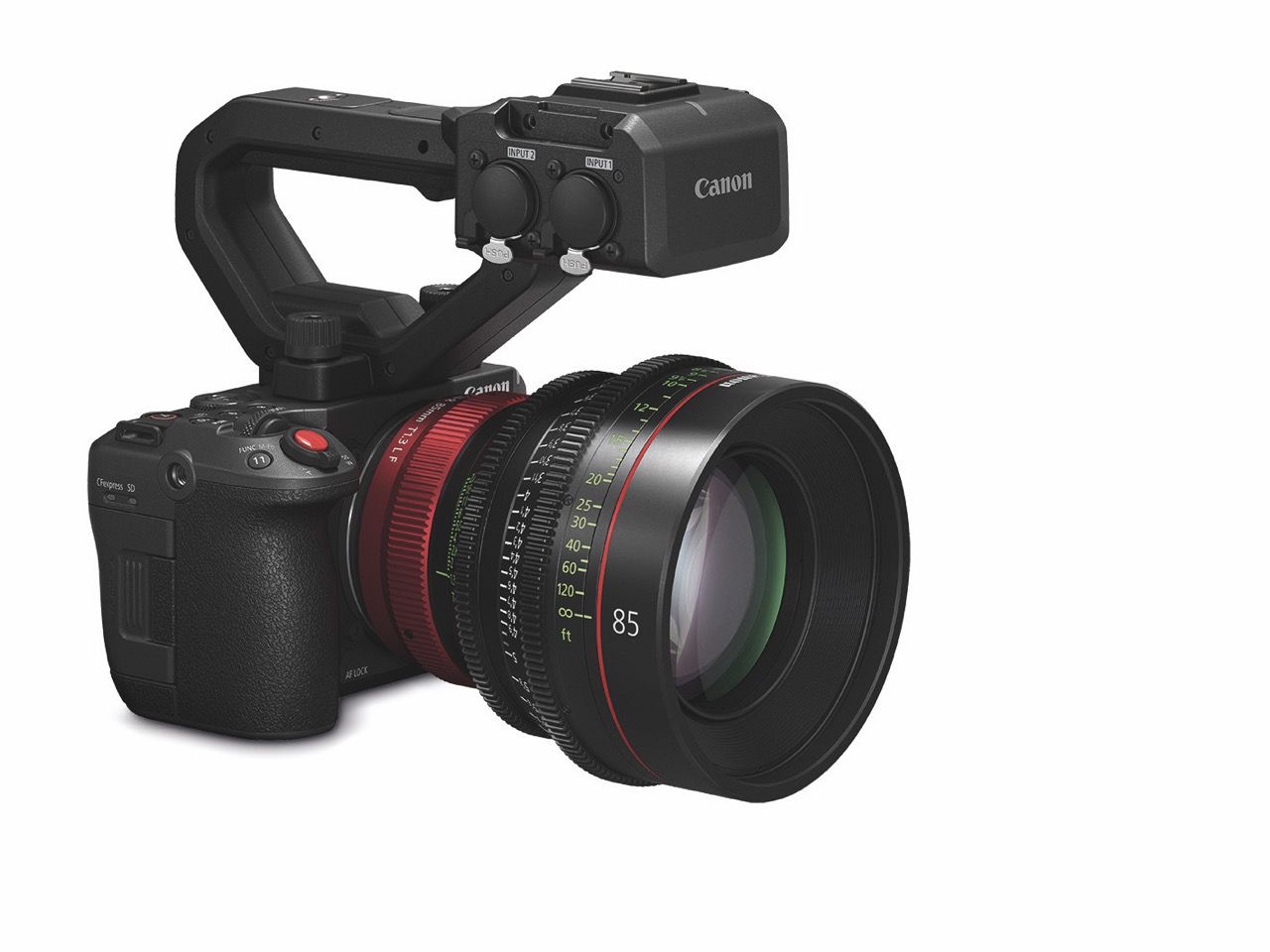
That is why cameras designed for video production make so much sense here. Canon’s full-frame Cinema EOS C50 is a particularly strong example for studio-style podcasting, offering a filmmaker-friendly image, very dependable operation and audio options that suit professional work.
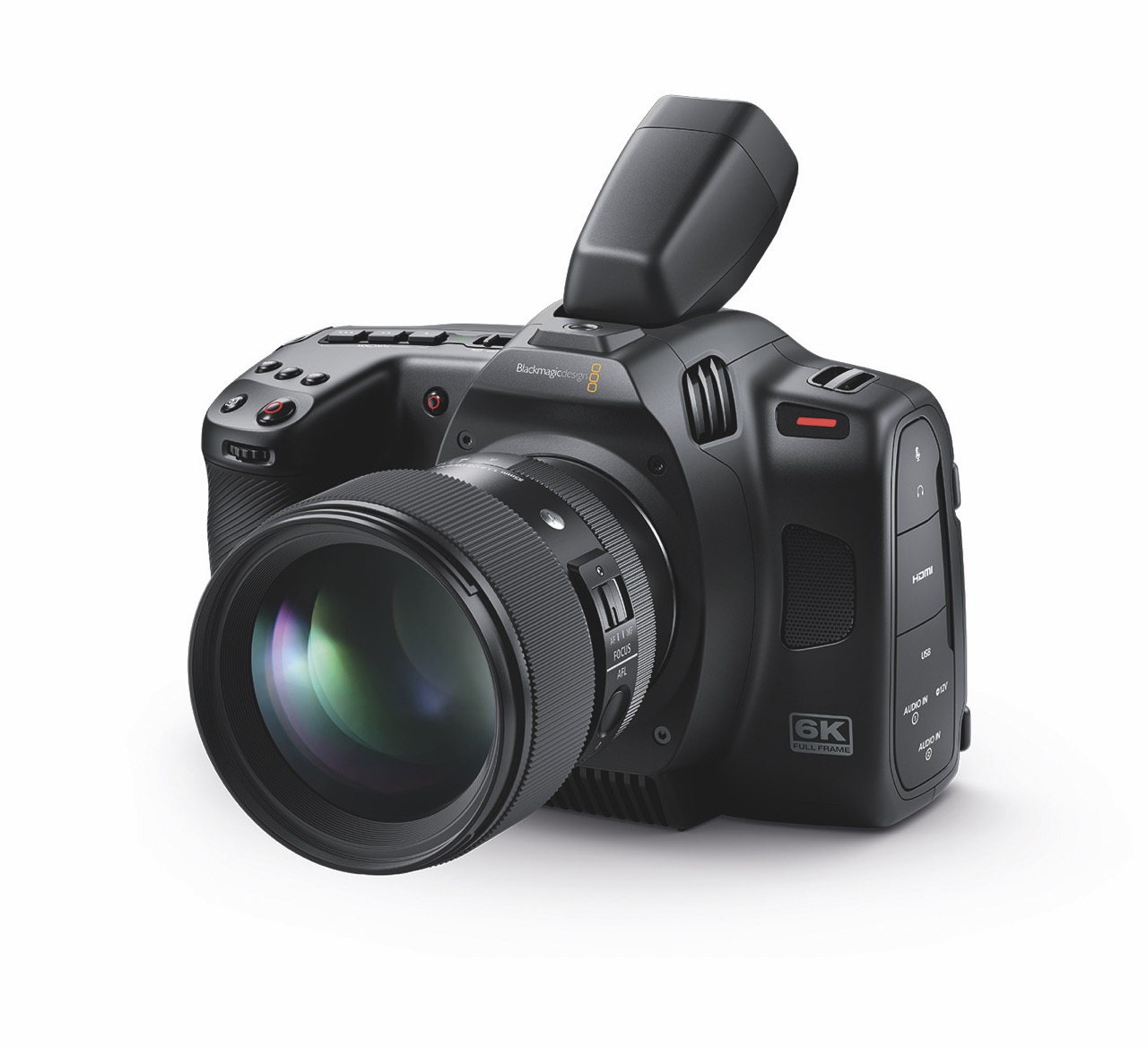
Blackmagic has long been loved for codecs and image quality, but autofocus used to be its weakness in podcast environments. Now, a software update has brought continuous phase detection AF to the full-frame Cinema Camera 6K, adding subject tracking plus facial recognition and tracking. With its 6K full-frame sensor, 13 stops of dynamic range, L-Mount, dual native ISO up to 25,600 and Raw recording to CFexpress, it is now a far more realistic option for this type of work.
Lens choice matters too, and fast AF glass is usually the right answer. Wide-to-standard zooms are useful because they give framing flexibility in tighter spaces. Strong options include Tamron’s 28-75mm f/2.8 Di III VXD G2, Canon’s RF 24-70mm f/2.8L IS USM and Sony’s 28-70mm f/2 G Master. Sigma’s Art line is also packed with podcast-friendly lenses across multiple mounts, from the 24-70mm f/2.8 DG DN II Art to the 28-45mm f/1.8 DG DN Art and the 50mm f/1.2 DG DN Art. Canon’s more recent hybrid RF lenses, such as the 50mm f/1.4L VCM and 24mm f/1.4L VCM, push even further into video-friendly design, with iris rings, minimal focus breathing and fast, accurate AF.
Audio first, last and always
If there is one rule in podcasting, it is that bad audio kills good video. Viewers will tolerate a lot visually, but they will not stick around for poor dialogue. Muddy, thin, distant or distorted sound instantly makes a production feel shoddy. For a format built around conversation, audio is not a supporting element but the foundation.
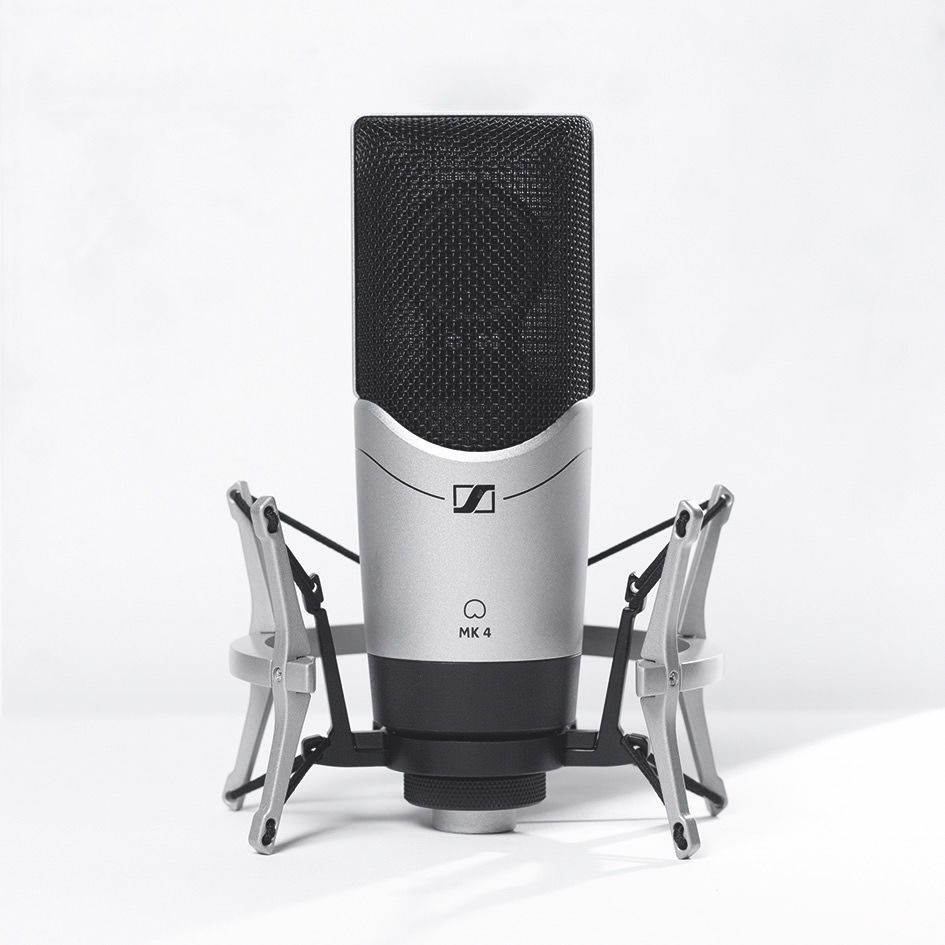
That means microphones must be chosen carefully. Shotgun mics work well for controlled talking-head set-ups. Wireless lav systems are brilliant when more freedom of movement is required. XLR studio microphones remain a strong choice for fixed desk-based formats. Add in proper monitoring headphones, reliable recorders or interfaces and shock mounting, and you’re already ahead of most creators.
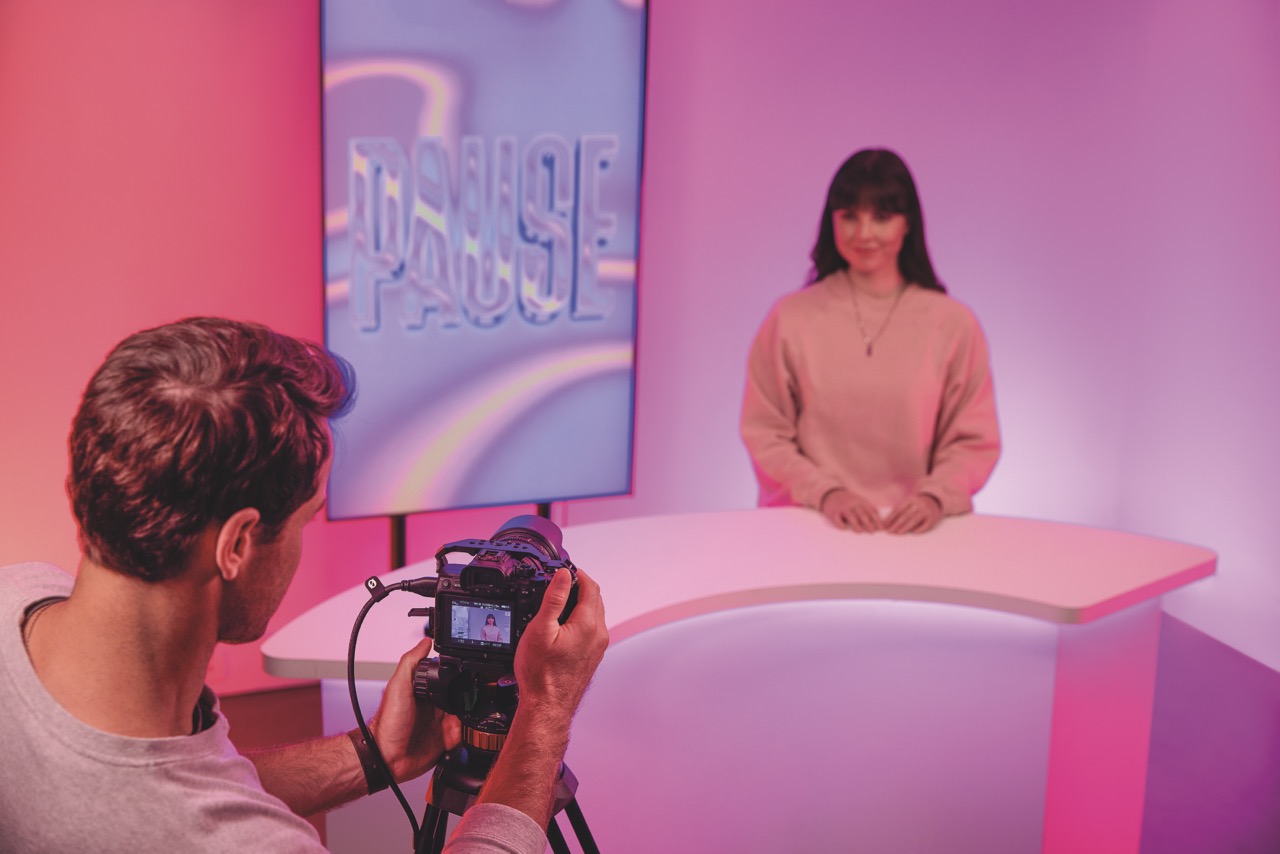
Great sound does not just improve production value but also increases watch time, while the best possible lighting is what makes a show feel truly premium. You do not need a giant truck full of fixtures to make a podcast set look good, but you do need intention. The most flattering podcast lighting usually comes from larger, softer sources. That could mean LED panels or COB fixtures pushed through softboxes or umbrellas. The goal is often a clean, controlled key light, a bit of shape from fill or negative fill and enough background separation to stop the image feeling flat.
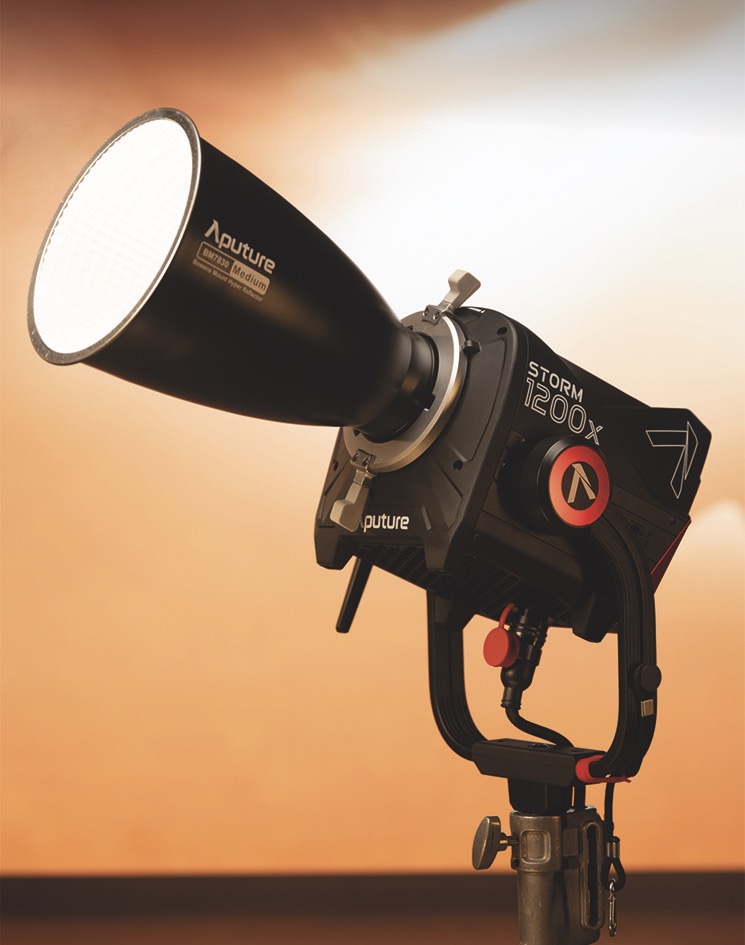
Aputure’s Storm 1200x is a high-end example of how good modern COB lighting has become. Its light engine uses blue, lime, amber, indigo and red LED chips to create a more complete white spectrum, with a wide CCT range and better handling of fluorescing materials. That then leads to a more natural daylight-style output and avoids the odd colour shifts some fixtures can produce.
For compact work, Amaran’s Ace 25x and 25c are highly portable and designed with fast rigging in mind thanks to the Ace Lock quick-release system. Nanlite’s ultra-thin Pavoslim 240CL offers a larger 4×1 RGBWW panel option for tight spaces or low ceilings, while Neewer’s HB80C is a travel-friendly full-colour COB light. Godox’s RGB flexible mats add even more options when you need soft, adaptable light in awkward spaces. Whatever you use, good lighting makes even a modest set feel expensive.
Once the camera, lens, sound and light are sorted, the accessories are what make the workflow repeatable. A solid tripod – or three – remains essential for locked-off interviews and clean framing. Tabletop stands and compact support rigs help in smaller studios. Power banks, V-Mount batteries, reliable cards and fast SSD storage all matter more than many creators realise.
The rise of the podcast console
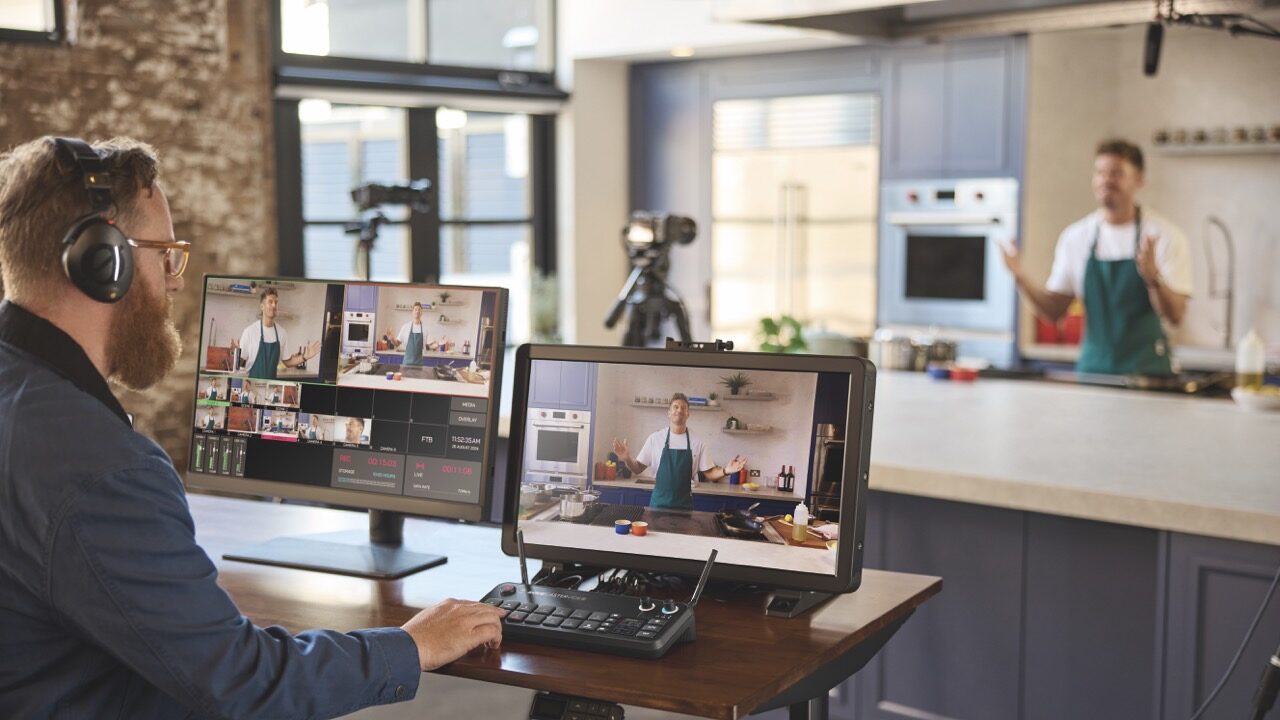
As video podcasts get increasingly ambitious, many creators want a simpler way to run multicamera shows without building a spaghetti junction of separate devices. That is why production consoles are becoming such a big deal.
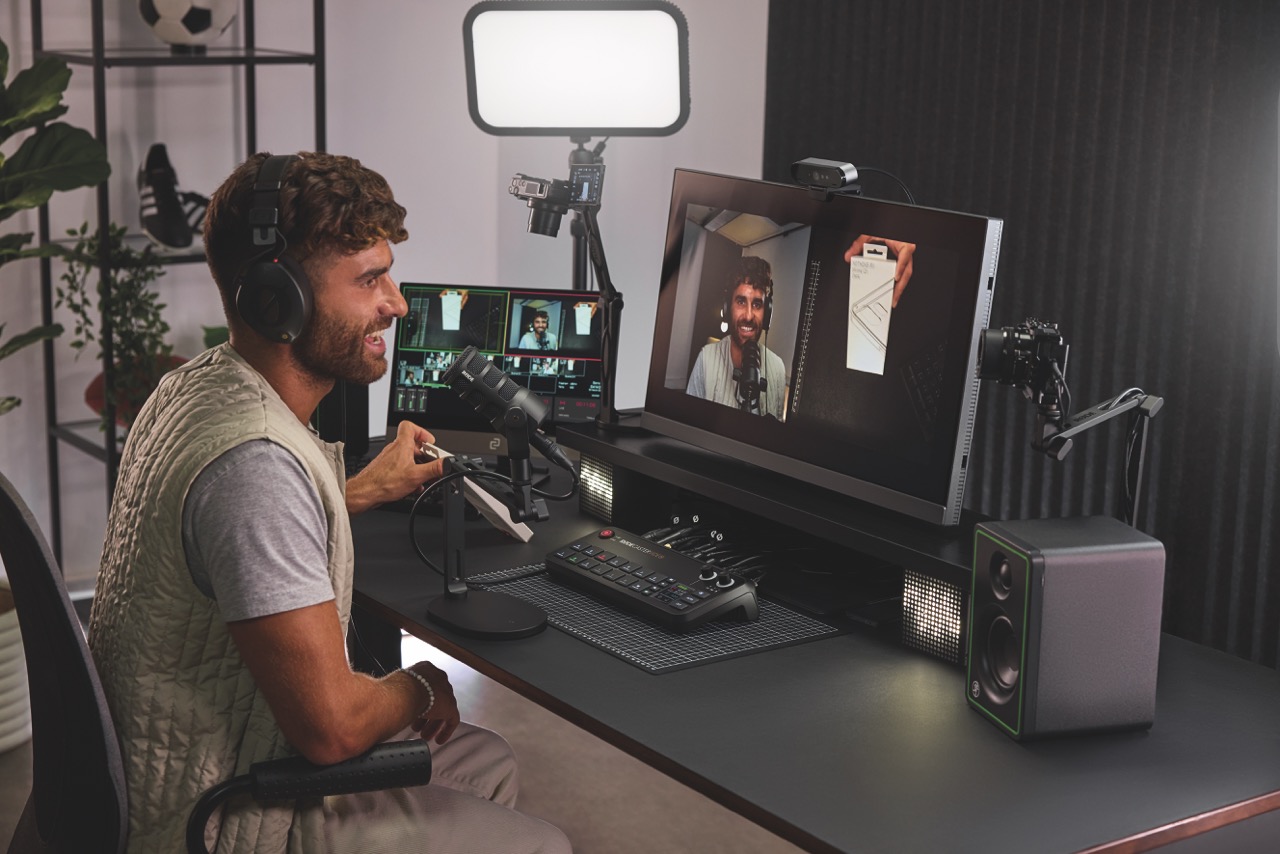
The Rodecaster Video is one of the clearest examples of where the market is heading. It combines audio control, video switching, recording and production tools in a compact unit aimed squarely at video podcasters, streamers and small broadcasters. Camera, audio, monitor, computer and storage can all plug into one central box, and the system can even handle graphics such as lower thirds.
It also connects neatly with Rode’s Series IV wireless systems and USB-C microphones, making it especially attractive for creators who want a streamlined set-up. One of its smartest features is intelligent auto-switching, which can change camera angles based on who is speaking. For productions without a dedicated vision mixer, that is a huge step towards easy professional results. If you don’t need all that functionality, Rode also offers the smaller and more scaled-down Rodecaster Video S.
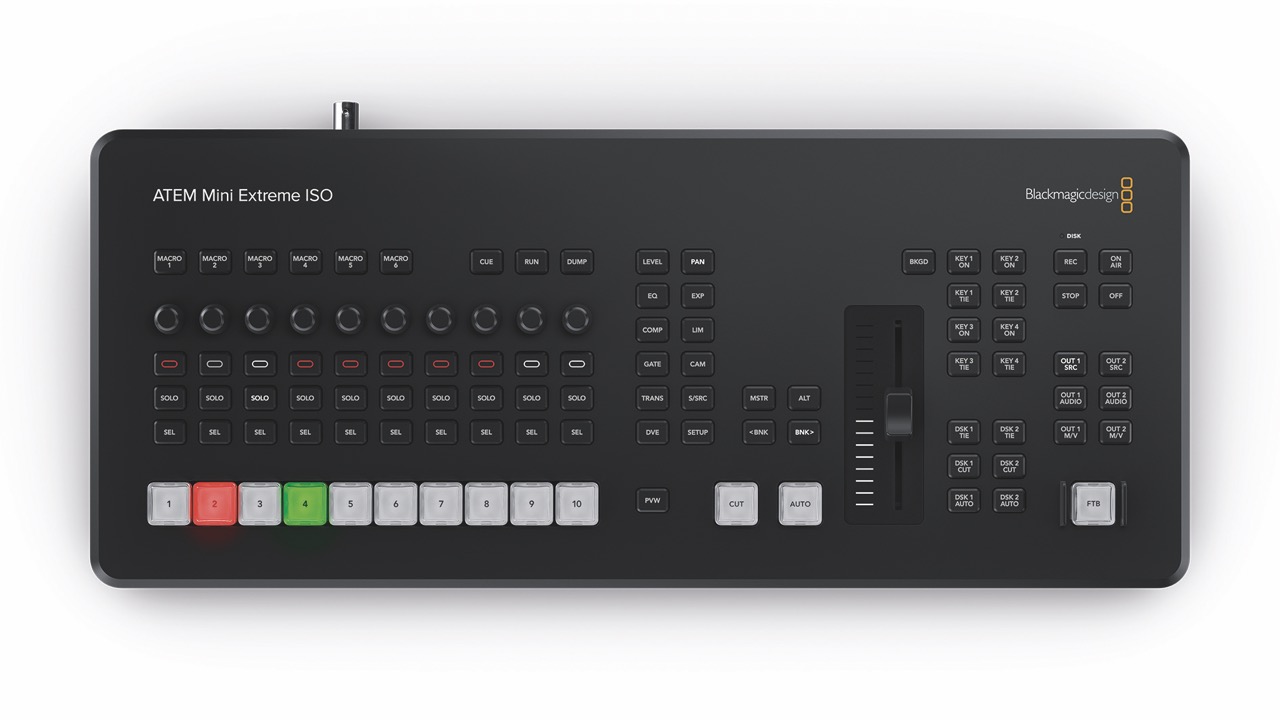
For audio podcasters who use one of the brand’s Rodecaster Pro II or Duo units, the super-compact Rodecaster Video Core now plugs right in and adds full video functionality. This aims to muscle in on the current go-to set-up for audio podcasters, many of whom have chosen a Rodecaster for audio linked up to a Blackmagic Atem for video switching. Now you can stay in the Rode ecosystem for a more streamlined solution.
Whichever way you go, Rode offers advanced video switching, recording and streaming with a fully integrated professional audio mixer for creating broadcast-quality content across video podcasts, live streams and studio productions. You can stream directly to YouTube, Twitch and other major platforms via Ethernet, or record straight to an external USB drive or SSD, with the option to capture each video and audio source independently through isolated (ISO) recording for maximum flexibility in the edit.
At the more advanced end, Roland’s V-600UHD offers 4K and Full HD inputs, HDR support, 60Hz frame support, BT. 2020 colour gamut and ten-bit 4:4:4 processing. It is a more serious live production tool, but shows just how high the ceiling is for podcast work now.
The biggest shift is that video podcasting is no longer a niche bolt-on to audio. It is now a mainstream visual format with its own audience expectations, production language and commercial potential.
For filmmakers, this is good news. All of the core technical skills translate. The challenge is to adapt them to a more repeatable, creator-driven workflow. Do that well, and you are not just making a podcast but creating a show.
In an increasingly crowded market, the podcasts people will remember look unique and sound properly made.
This article was first published in the May/June 2026 issue of Pro Moviemaker