The new language of filmmaking
Posted on Mar 27, 2026 by Pro Moviemaker
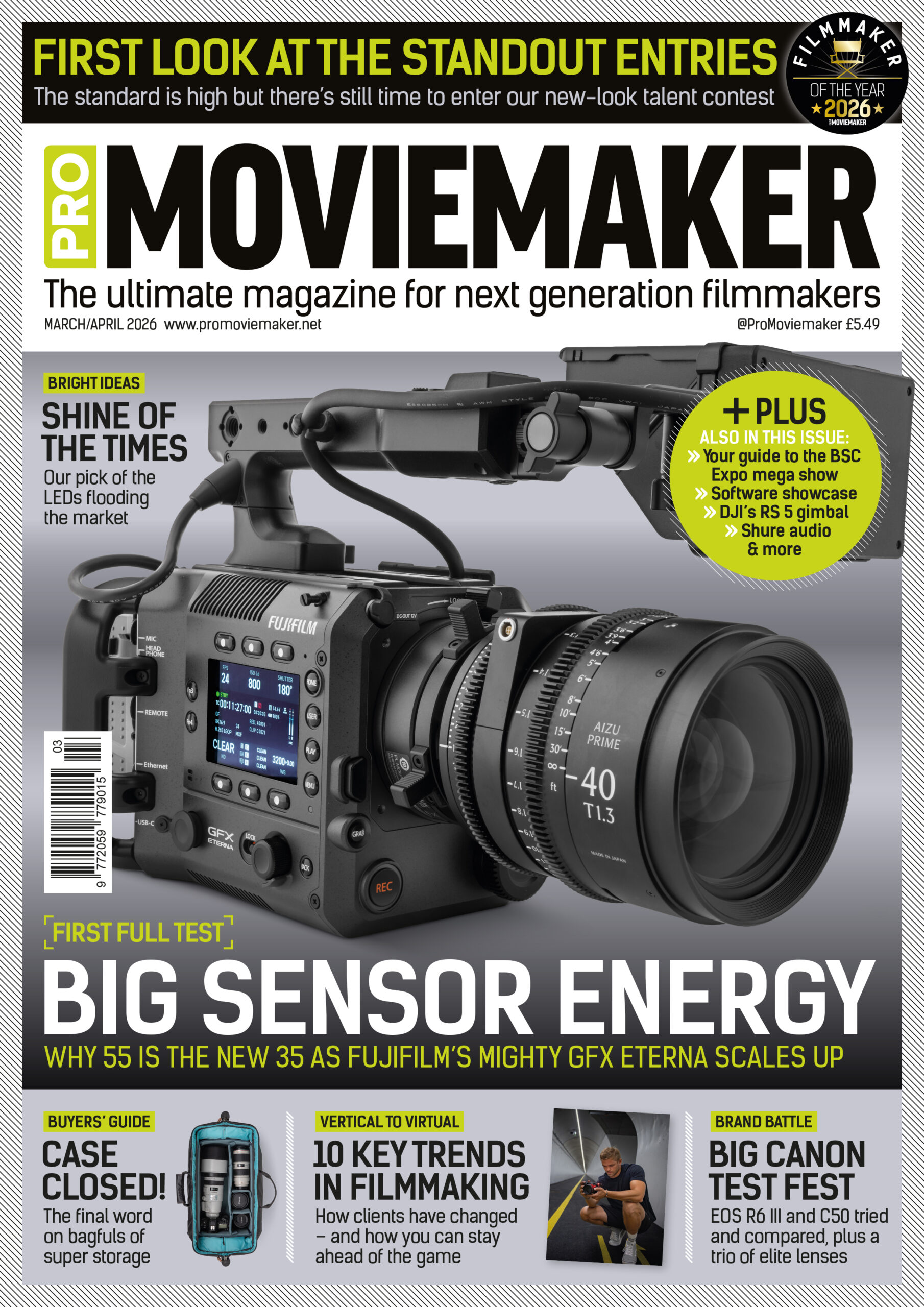
From docu-style storytelling to bold colour and analogue textures, here’s the top ten trends in commercial work you need to know about
Words Adam Duckworth
Commercial filmmaking has always evolved alongside popular culture, but as we head into 2026 the shift feels sharper, faster and more ideological than ever. Audiences are more visually literate, sceptical and emotionally demanding. They’ve seen the tricks and know when something feels staged. And in a world increasingly saturated by AI-generated imagery, the hunger for work that feels real has never been stronger.
One company that knows first-hand what’s hot and what’s not is Film Supply because it licenses lots of footage used by broadcast and cinema giants like Warner Brothers, 20th Century Fox, Netflix and Amazon Studios, plus mega advertising agency Ogilvy, as well as direct to clients such as Nike and Tesla.
Every year, Film Supply creates a new report on the latest trends in commercial filmmaking, and the latest version argues that today’s most effective commercial work is less about polish and more about perspective, less about spectacle and more about emotional connection.
For filmmakers and content creators, that presents both a challenge and an opportunity when creating work that hopes to resonate with an audience and keep a client coming back. Although staying true to your own style is always a benefit, the successful find a way to adapt to what’s wanted, rather than risk being left behind. We take a look at what’s going on in commercial filmmaking right now, and how you can get in on the action.
Unique points of view
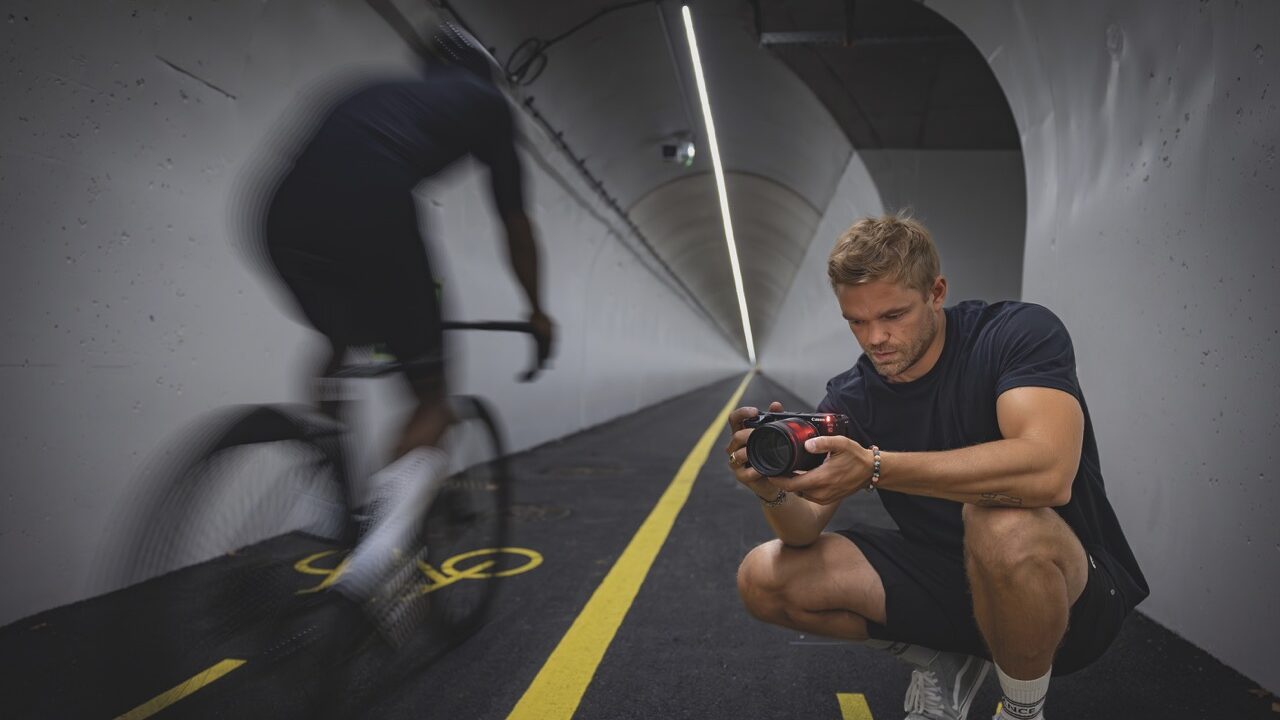
Attention is the most valuable currency in all short-form films – from social media content to advertising – and traditional viewpoints no longer guarantee it. One of the strongest trends this year is the use of genuinely unexpected points of view. That might mean FPV drones flying through impossible spaces, cameras mounted to objects or shooting from a subject’s literal point of view.
What’s driving this isn’t necessarily technology – though lighter cameras, probe lenses and stabilised drones have made it easier – but a desire to pull the viewer into the experience. Brands want audiences to feel present and not passive. This means thinking beyond nice-looking frames and asking how camera placement itself can become part of the storytelling.
The return of analogue texture
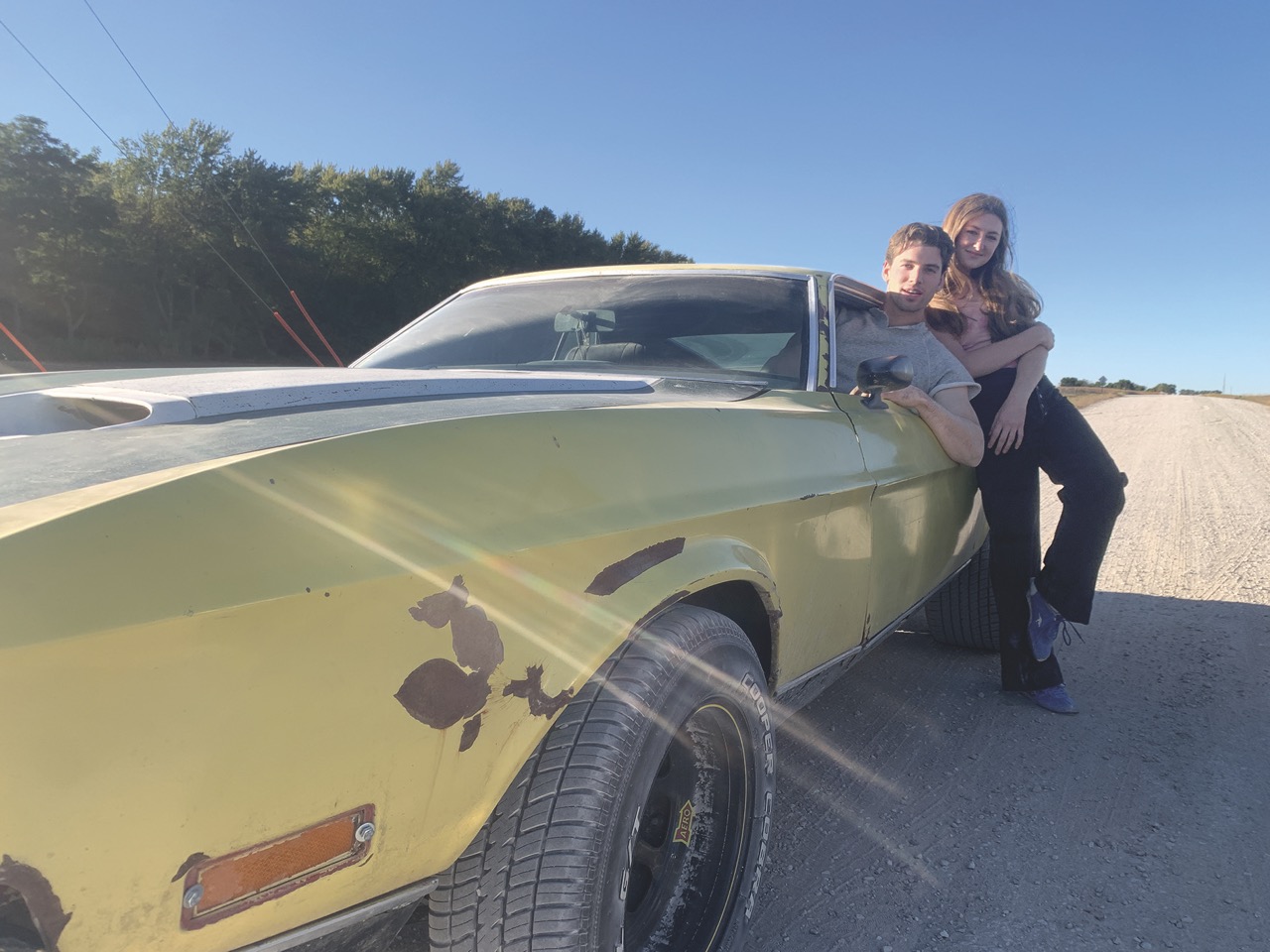
In an era dominated by digital perfection, analogue footage has become a powerful differentiator. Grain, halation and imperfect exposure all signal something deeply human. These throwback styles carry nostalgia, but also trust.
There’s a growing return to real film stock with analogue textures. Of course, this can be expensive to shoot and is often the domain of big-budget productions. But this trend isn’t about retro styling for its own sake. It is about grounding stories in something tactile and believable.
For filmmakers, this doesn’t always mean using film itself. It might be hybrid workflows, textured overlays or shooting sequences on film to punctuate a digital project. The key is using texture as a tool, not a gimmick.
Docu-style isn’t going anywhere
If there’s one clear trend that continues to dominate, it is documentary-style storytelling. Handheld cameras, natural light, real people and unscripted moments are now staples of commercial work.
Audiences trust what feels observed rather than constructed, and brands increasingly want stories that reflect life as it is – messy, emotional and imperfect. Such an approach has proven especially effective in campaigns designed around relationships, identity and lifestyle, when sincerity matters more than spectacle.
For filmmakers, a premium is now placed on skills that can’t be faked, such as reading a room, reacting quickly and finding the story in real moments. Crews become leaner, lighting becomes simpler and the story’s message becomes more important than production value alone.
One shot takes it
Social media may have driven an explosion in fast-cut, hyperactive reels, but one-shot commercials are making a quiet but confident return. A single, uninterrupted take forces the viewer to slow down, and that alone can be enough to hold attention.
These spots work particularly well in unskippable formats, where simplicity becomes a strength. Executed well, a long take can feel bold, elegant and fearless. But a word of warning – executed badly, it exposes every weakness.
The one-shot trend demands skill and precision in choreography, blocking, camera movement and performance. They all have to align and there’s nowhere to hide, which is exactly why brands are drawn to it.

Colour gets its boldness back
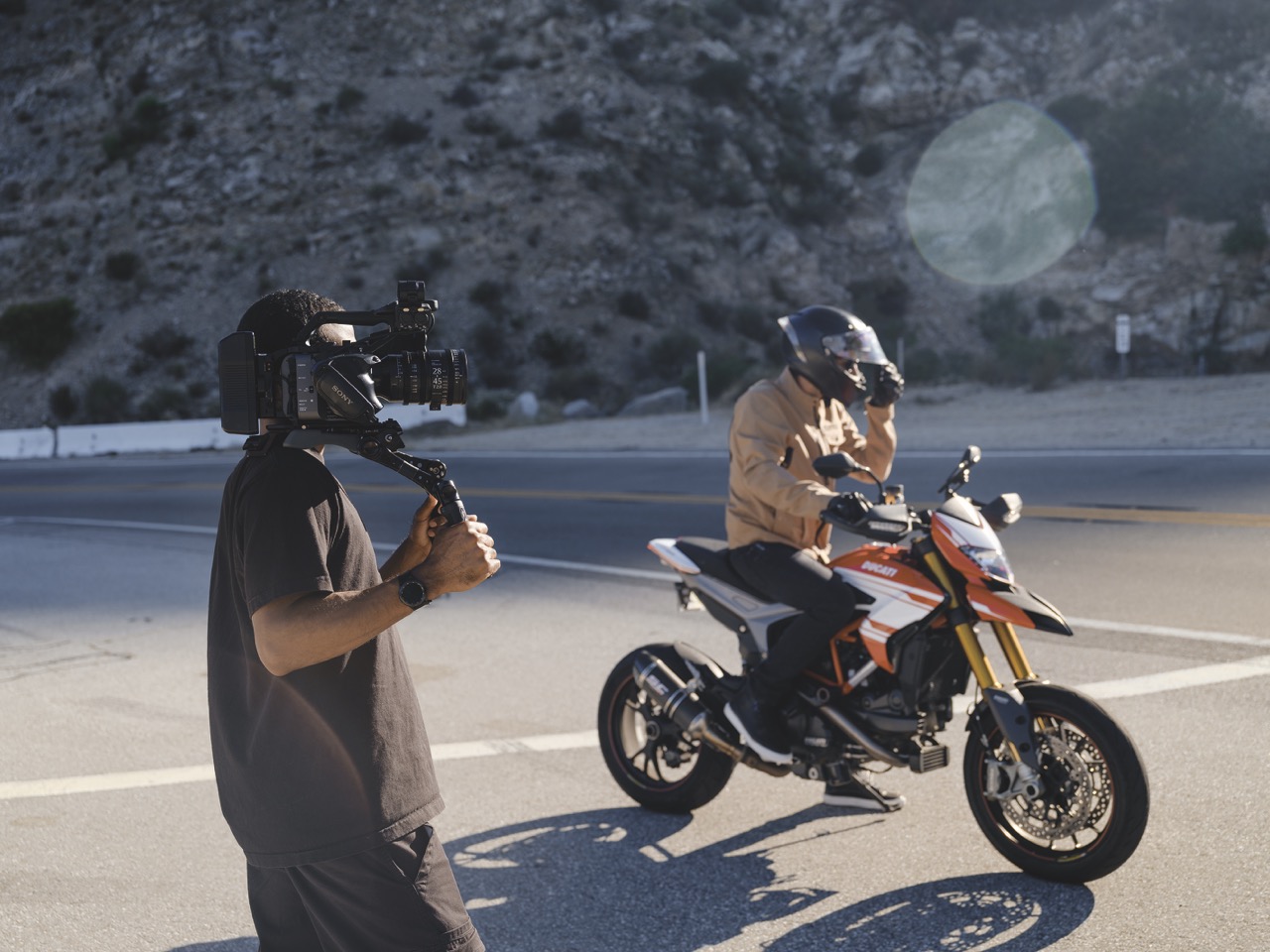
Neutral palettes are out. Bold, saturated colour is now central to brand storytelling, not just set dressing. From hyper-stylised commercial worlds to carefully curated monochromatic scenes, colour is being used as an emotional shorthand. This owes much to the worlds of fashion and interior design, where the 50 shades of grey look has finally had its day and become a sign of bland, decade-old trends. Audiences respond to stronger visual identities, and brands are leaning into colour to differentiate themselves in crowded feeds.
When shooting, this means colour decisions start with production design, wardrobe and lighting – not just in the grade. Colour isn’t something to fix later but is part of the wider narrative language.
Abstract textures as a metaphor
Another notable shift is the increased employment of abstract, textural imagery: particles drifting, liquids colliding, macro details and microscopic worlds are being used to visualise ideas that are otherwise hard to show such as emotion, connection or transformation. These shots are not just visual filler. Done well, they become a way of expressing feeling without explanation. Sound design can play a huge role too, turning visuals into immersive moments.
For anyone with macro kit, creative doors are opened. You do not always need actors, dialogue or locations to tell a story. Sometimes a texture, movement or reaction is enough.
Authentic diversity
Representation is no longer a trend but an expectation. Audiences want to see the world reflected honestly and without tokenism or caricature. There is a push towards authentic diversity, rooted in real communities, locations and experiences. More than casting choices is required. It demands cultural understanding, respect and collaboration. When done well, it builds trust. When done badly, it is instantly obvious.
For filmmakers, this reinforces the importance of listening to collaborators, subjects and communities. Authenticity can’t be manufactured in post.
Escaping the screen
Ironically, as AI and digital tools dominate headlines, commercial filmmaking content that leans hard in the opposite direction is becoming more valuable. Living in nature, tech-free lifestyles, real-world connection and offline experiences are becoming powerful themes.
Audiences are craving relief from screens and algorithms. So, brands that position themselves as enhancers of real life – rather than replacements for it – are resonating strongly.
Visually, this means outdoor locations, natural light and moments of genuine interaction. Conceptually, it means stories that value presence over productivity.
Surrealism with a purpose
Surreal imagery has become more purposeful. Dreamlike sequences, stylised effects and impossible spaces are being used to elevate emotion rather than distract from it. The fundamental difference is restraint. Surrealism works best when anchored by something human – a face, feeling or recognisable moment. Without an anchor, audiences disengage.
Dance and movement
Dance and movement are enjoying a renaissance. From chaotic, spontaneous motion to expressive choreography, physicality cuts through noise in a way dialogue often can’t. Movement-driven storytelling is universal, emotional and engaging. When shooting, it demands a strong relationship between camera, music and performance and rewards those who can capture rhythm visually.

What it means for you?
The takeaway is that audiences want honesty, texture and intention. They’re less impressed by technical perfection and more moved by emotional truth. So, working filmmakers should sharpen their observational skills as much as their technical ones. Understanding people is as important as understanding light, colour and movement. And it is also crucial to know when to step away from formulas that no longer serve the story.
The tools keeps evolving, but the goal remains the same: to make people feel something. In 2026, the filmmakers who succeed will be the ones who deliver on that.
This article was first published in the March/April 2026 issue of Pro Moviemaker