Workflows: Hybrid power
Posted on Sep 4, 2026 by Pro Moviemaker
Jack Cotlevski’s workflow combines carefully captured footage with AI-constructed imagery – and here’s how he does it
Words Jack Cotlevski
Hybrid cinema isn’t about replacing filmmaking with a computer. It’s about using conventional filmmaking for the things it does brilliantly, then using image construction for the things it does better.
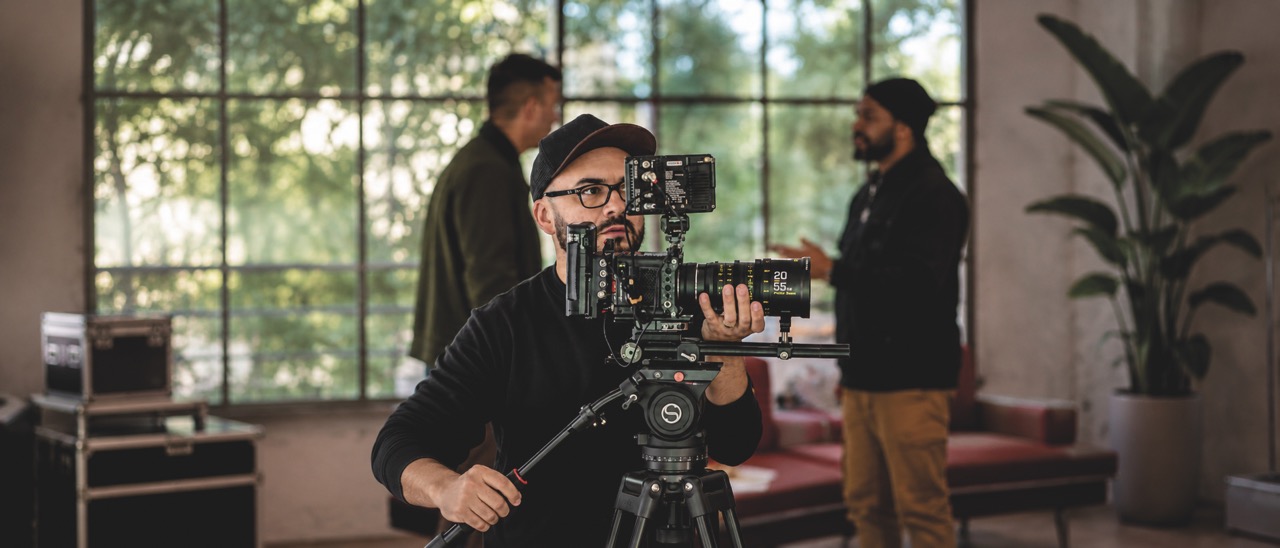
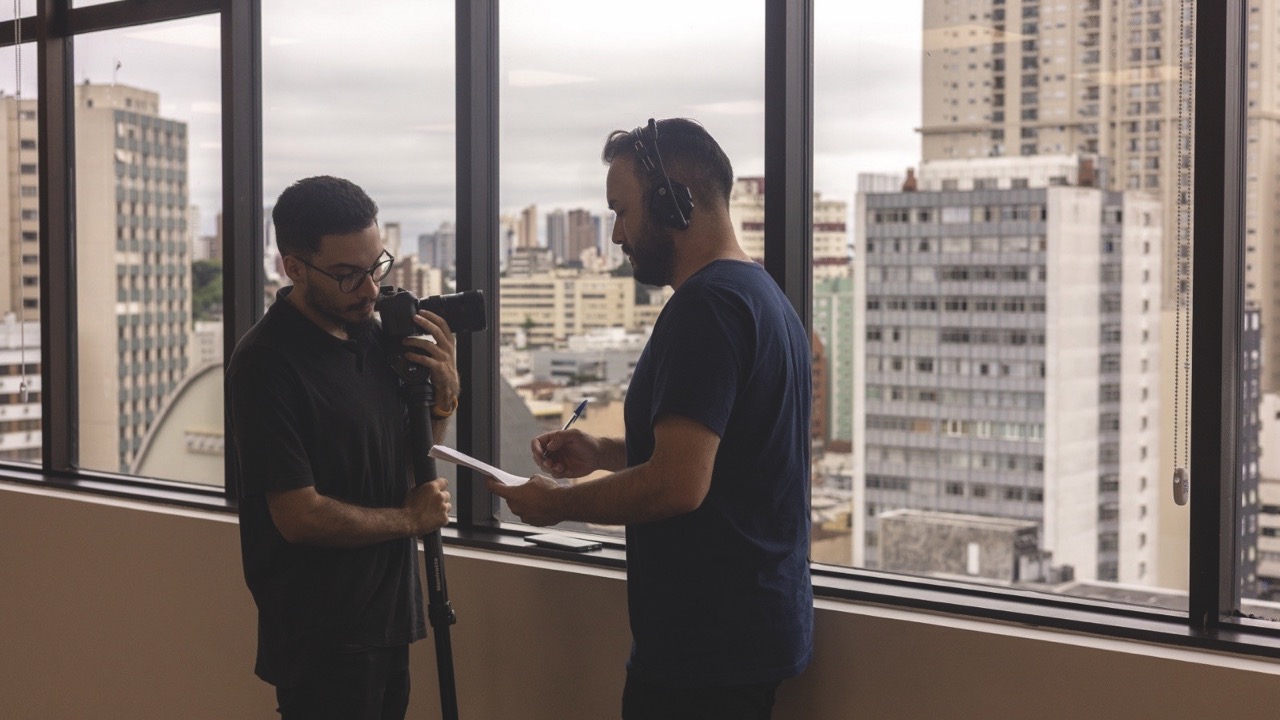
I still arrive on-set with essentially the same equipment I would have brought ten years ago: cameras, lenses, tripod, lights, diffusion, flags, cables, colour chart, slate and monitor. There is still a crew, we still spend time setting up and I’m still just as tired when we wrap. Yet when you watch the finished film, you may see things none of those tools ever recorded.
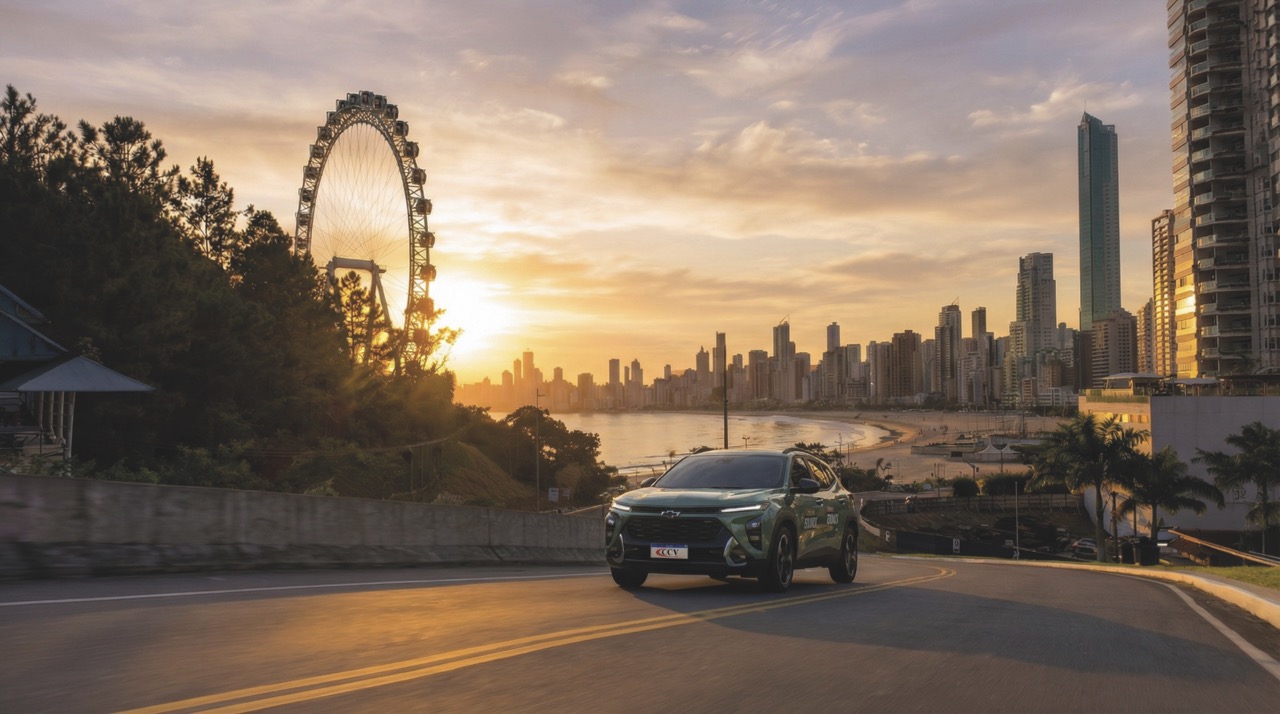
Perhaps it’s a sunset that didn’t happen on the day. Maybe the city continues beyond the buildings actually at location. Sometimes an entire moving sequence grows from a couple of photographs.
It’s not camera vs computer
Discussion around generative imagery often becomes unnecessarily binary: either you shoot something or generate it. Make cinema or make something else, for example. Reject the technology completely and you potentially lose a valuable production tool. But believe they can replace everything that happens on- set and you risk discovering that your beautifully generated film has no truth or emotional connection.
The camera and image construction aren’t competing to do the same job, as they solve different problems. The useful question is, which tool solves each particular shot best?
There are things I nearly always want to capture for real. The first is human performance. A face, glance, gesture, breath or the fraction of a second somebody takes before delivering a line contains an extraordinary amount of information.
Humans are incredibly sensitive to other humans. You can construct something that appears superficially correct but get the rhythm wrong. The audience may not consciously identify what’s wrong, but they simply won’t feel it.
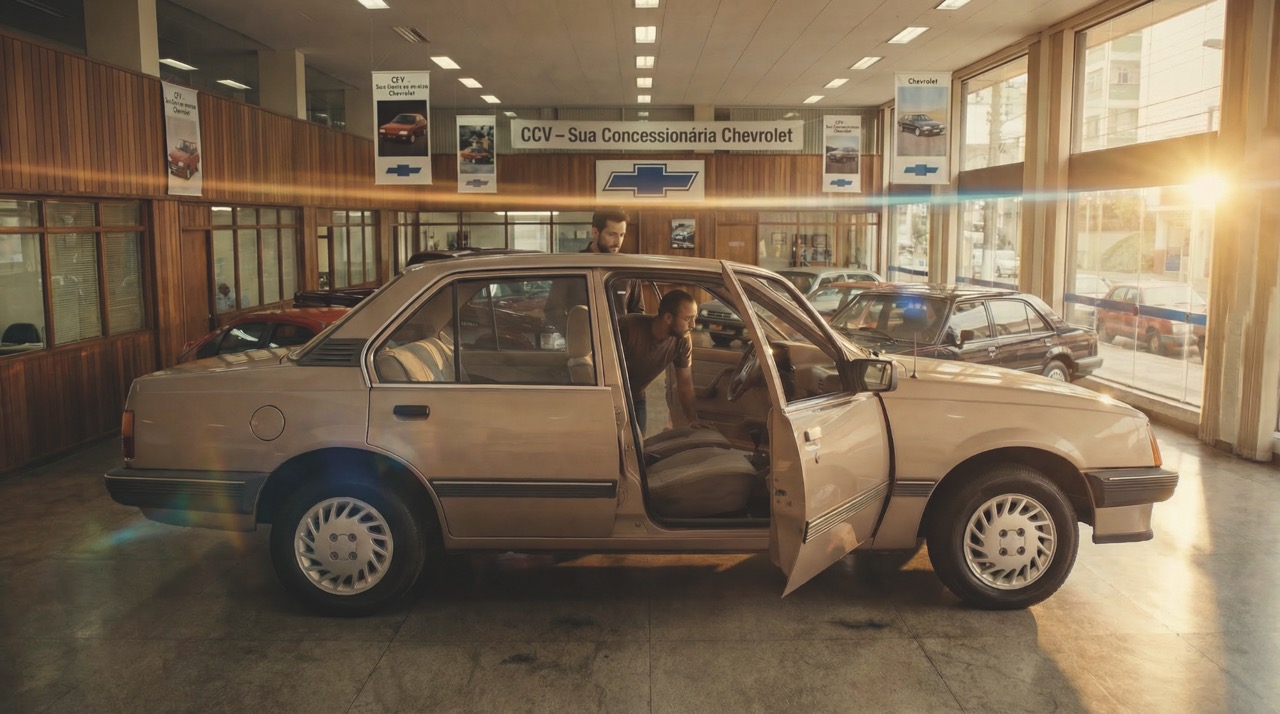
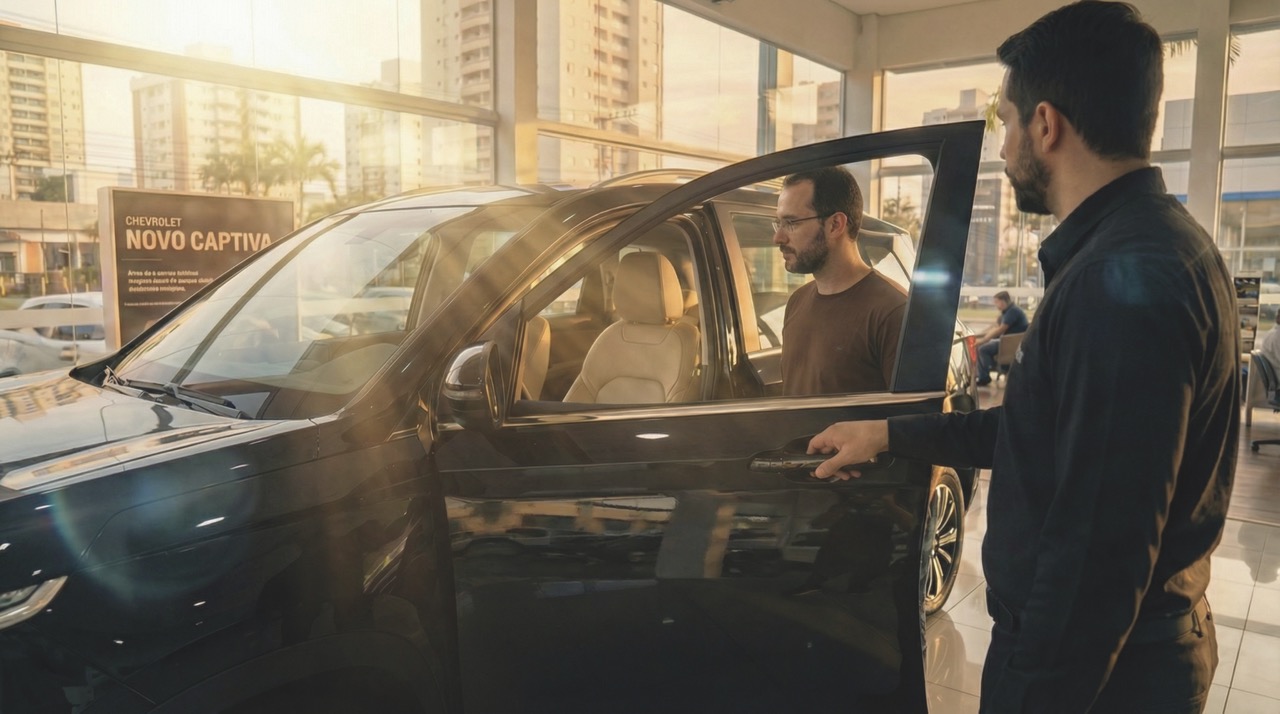
Then there is the product itself, particularly in commercial work. A client knows their product’s shape, materials, colour and finish because they see it every day. Change something subtly and they may not be able to explain precisely what is incorrect, but they’ll know it doesn’t look right. The same applies to recognisable architecture and locations. Reconstruct a company’s headquarters and make it objectively more beautiful, but if the owner doesn’t recognise the building, it’s a fail.
None of that is about taking a moral position on what’s ‘real’. It’s really about understanding what an audience and a client notices. Those are the things I protect.
Build the impossible
Some problems are much better suited to AI-constructed images. Scale is an obvious one. Perhaps the shot requires an enormous set, expensive travel or a location that simply doesn’t exist.
Then there’s the light and weather conditions. Every filmmaker knows the problem of the perfect light disappearing – the sky turns white or it rains on the one day the location and talent are available. Computer construction of the scene gives another option.
And then there is something I call presentation movement. Imagine an orbit around a static subject whose only purpose is to reveal the scene. Traditionally, that could require a drone and its operator, securing permissions and potentially another shooting day.
I distinguish that from movement which contains information. If movement is part of the performance or story, I capture it. If movement simply presents something to the viewer, I consider whether it can be constructed. That’s where hybrid production can be economically interesting. The savings can fall on some of the most expensive elements while reality remains precisely where the audience needs it.
The importance of a plan
The difference between convincing hybrid cinema and a collection of disconnected elements is usually decided before the shoot. I create a plan in three columns. The first is what stays real, the second is what will be constructed, but the third is the crucial one: how they will work together.
If I intend to construct movement between two camera positions, I need to capture both at the same focal length and camera height. If I’m putting a real performer into a constructed environment, I need to shoot them in a way that allows a clean extraction. That influences the background, lighting, framing and lens choice. Ignore these considerations until post and you’re immediately fighting your own footage. The light comes from the wrong direction. You haven’t left enough room in the composition. The second angle that you suddenly realise you need simply doesn’t exist. You don’t then have hybrid cinema. You have filmed footage and constructed imagery with a highly visible join between them.
Old tools with new importance
This hybrid way of working hasn’t made traditional equipment less important to me and, in some cases, it’s done the opposite.
My tripod has become more important. If I’m going to construct movement between captured frames later, an unstable starting point makes life harder. The colour chart has become important again. Nobody reliably remembers the precise colour of a scene they lit three weeks earlier, and consistency becomes crucial when you’re integrating different elements.
Lighting decisions change too. I love hard side light and beautifully defined shadows, but they’re difficult to reproduce convincingly in a constructed layer. Sometimes the best lighting isn’t simply the most beautiful thing I can create on-set – it’s the beautiful light I know I can reproduce throughout the finished image.
And I’ve developed one habit of shooting clean plates everywhere. Before the set fills with people and equipment, I’ll lock off the camera and record the location without anyone in the frame. I might not know yet how I’ll use those images. If I don’t use them, they’ve cost nothing. If I later discover I need a plate I didn’t shoot, the cost could be a return trip – assuming that returning is even possible.
Is it filmmaking?
Somebody always asks if it’s really filmmaking. But models, matte paintings, rear projection, partial sets and digital visual effects all exist because filmmakers wanted to show audiences things they simply couldn’t shoot. Every generation has debated whether new techniques somehow make the result less authentic.
If a constructed shot serves the story, communication or emotion of the film, the technique has done its job. If the shot exists to demonstrate how clever the technology is, you’ve made a technology demo.
There’s another important element – and that’s the client. I explain my proposed approach before a job is commissioned, not afterwards. My treatment identifies what will remain captured and what I intend to construct. That gives the client confidence and protects the production.
Of course, the individual technologies used will change incredibly quickly. The fashionable AI-generation platform of today could be overtaken within months, which is one reason I don’t build my process around a particular piece of software. The decisions underneath it won’t date nearly so quickly.
Define the function before producing anything, protect the elements that need to be truthful, capture material with the finished result already in mind, then integrate the elements until the joins disappear. And, most importantly, be prepared to reject something technically impressive when it doesn’t serve the film.
Hybrid cinema isn’t about giving up the camera. It’s about knowing, shot by shot, what needs to be captured and what can be constructed – while making sure you’re still the person making that decision.
How to FRAME your hybrid shot
Jack Cotlevski’s five-stage method for combining captured and constructed imagery.
F for FUNCTION
Start with ‘why’. What does the shot need to communicate and which elements absolutely need to be real? Make that decision before reaching for either camera or computer.
R for RECORD
Don’t simply shoot and assume you’ll fix or extend it later. Capture the best possible foundation for construction, considering camera position, focal length, lighting, clean backgrounds and matching frames.
A for AUGMENTATION
Add only what the captured image needs. Extend locations, change conditions, create scale or construct presentation movement rather than automatically generating an entirely new image.
M for MERGE
This is where hybrid succeeds or fails. Match colour, direction and quality of light, texture, perspective, scale and sound until captured and constructed elements feel like one image.
E for EVALUATION
I don’t ask whether something looks impressive or demonstrates what the technology can do. I ask whether it makes the film better.
This article was first published in the September/October 2026 issue of Pro Moviemaker