YouTube special: The relationship economy
Posted on Jul 3, 2026 by Pro Moviemaker
How Jordan Schwarzenberger believes creators must rethink YouTube, audience building and authenticity in an era of endless content.
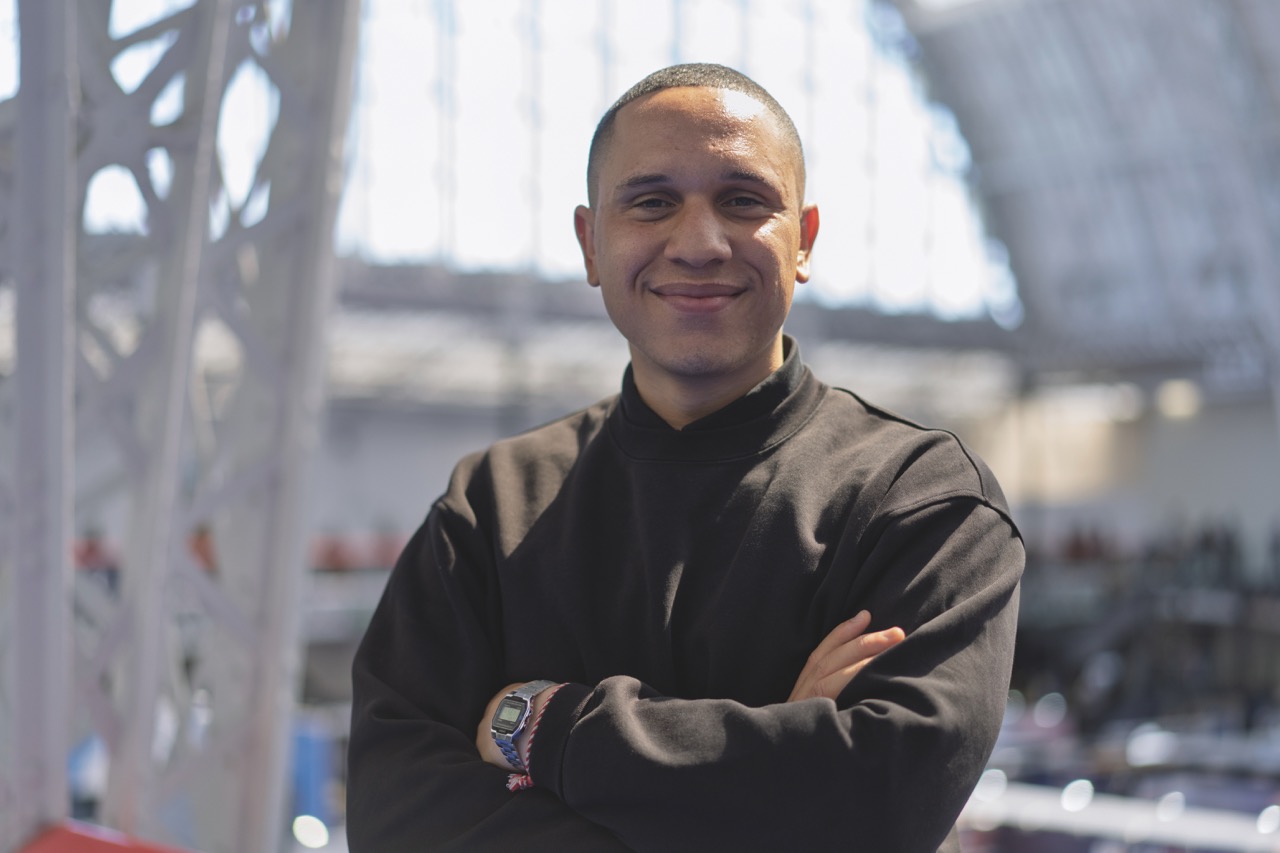
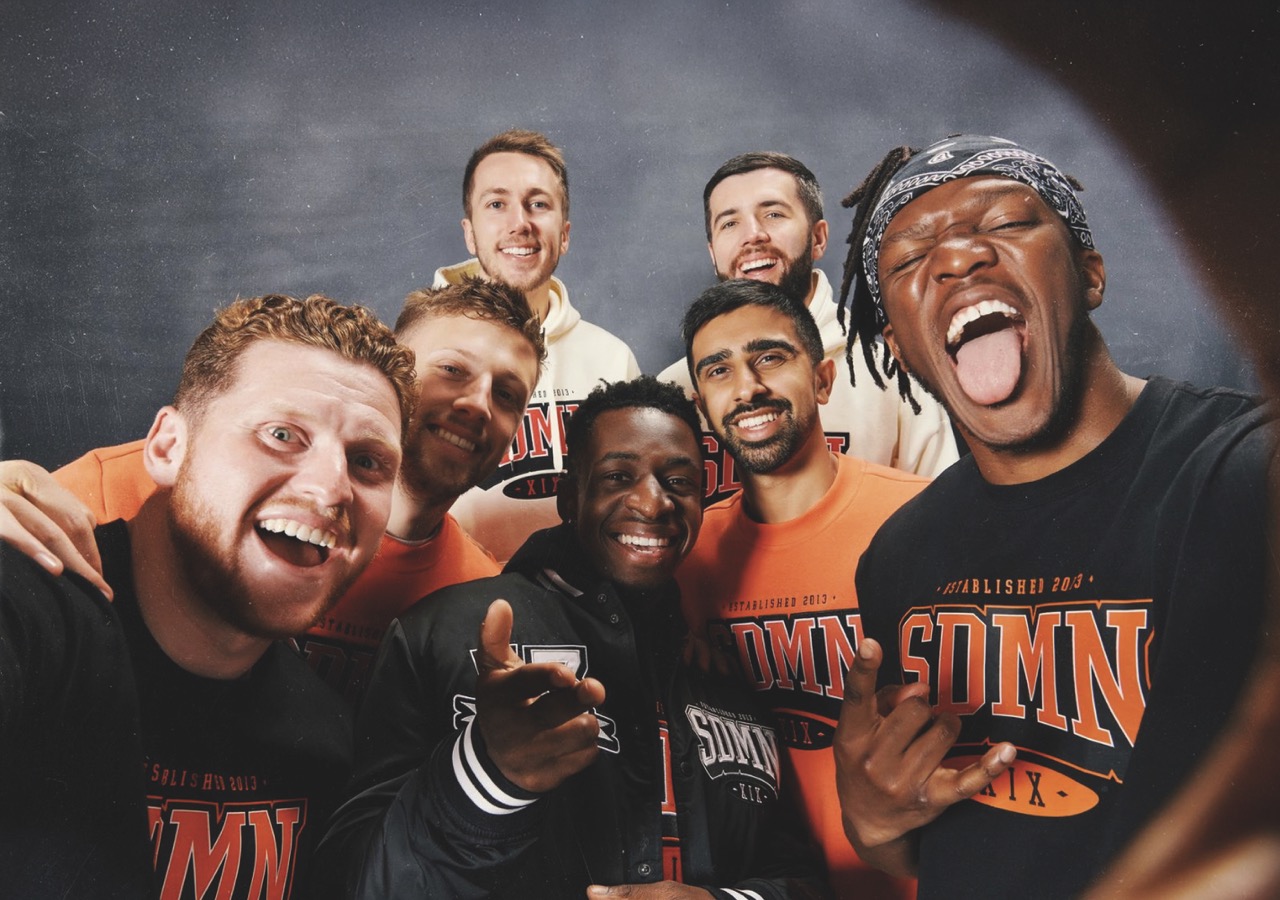
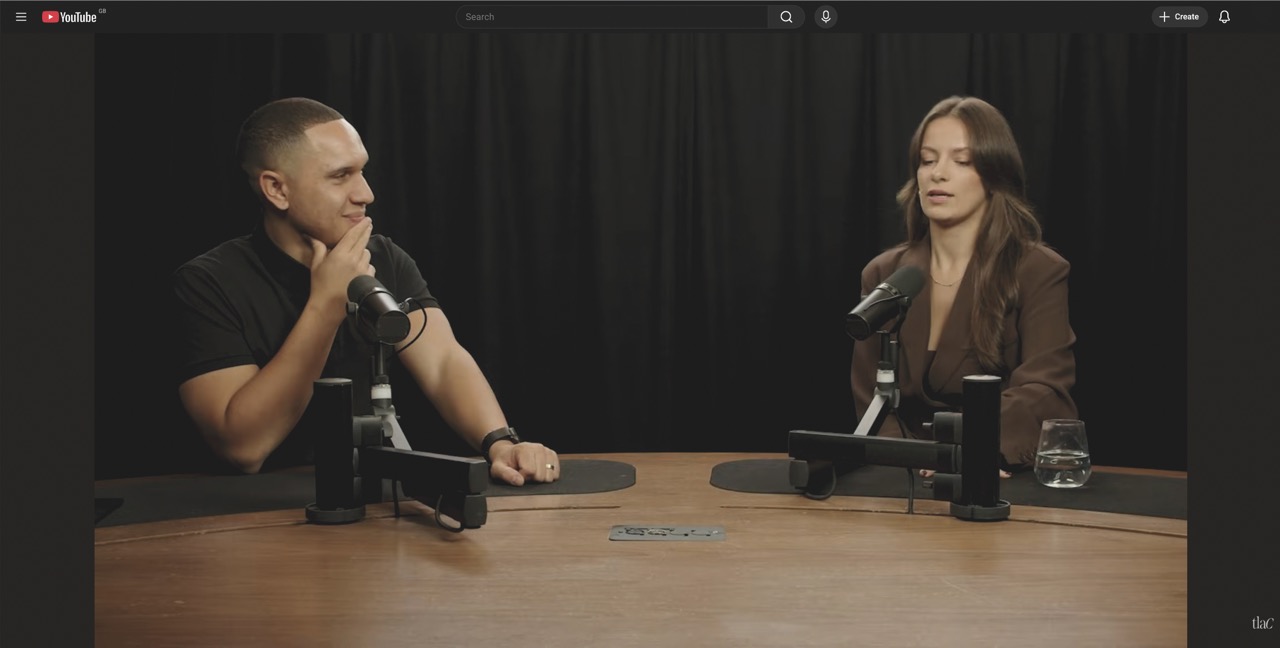
Jordan Schwarzenberger is one of the UK’s most influential voices in the creator economy. He’s CEO and co-founder of Arcade, the management and ventures company behind Europe’s biggest YouTube group the Sidemen, who have well over 100 million subscribers between them. He was chief creative officer at popular culture thought-leader YMU at just 20 years old. He’s the host of creator economy show Think Like A Creator, a Forbes 30 Under 30 presenter and a member of 10 Downing Street’s SME Council. And he’s still only 29.
Changing careers after working at Vice and Ladbible, he is now focused on everything from attention spans and algorithms to AI fatigue and the future of authenticity. And he says modern creators are no longer competing with other channels but with every piece of content on the internet.
“There was a time when uploading one polished YouTube video every few weeks was enough. Build an audience, gather subscribers and wait for the algorithm to do the rest. That world is gone,” he says. “You’re now competing with people’s interests rather than the creators they follow.”
Behind the curtain
Schwarzenberger’s mission is to help creators understand the modern attention economy and why audience behaviour has fundamentally changed.
“Ten years ago, we maybe watched 100 things a week,” he explains. “Now, it’s probably 1000 pieces of content a week, or things in culture that you’re engaging with.”
That explosion in content consumption changes everything for creators. Long-form YouTube videos are still important, but on their own they are no longer enough to maintain attention.
“A lot of creators are still living in 2016 to 2020,” he says. “They might only be doing one video a month, maybe that’s all they can produce, but that’s not enough any more. That long video alone is never going to take up enough share. People will forget.”
Instead, Schwarzenberger believes creators must think more broadly – about building an ecosystem around their videos. “How can you build a world around your content?” he asks. “Your distribution strategy has to be multi-format and multi-platform.”
That means clips, shorts, TikToks, podcasts, live streams, community posts and social media touchpoints all working together to keep creators visible in an increasingly crowded digital landscape.
The streamers dominating younger audiences already understand this. Some spend extraordinary amounts purely on distribution.
“Some of them are spending $100,000 or $150,000 a month on clips,” he says. “Because they know the streams are only going to be watched by a fraction of the people who see them every week.”
The rise of TikTok accelerated this shift dramatically. Schwarzenberger describes it as the moment culture moved from being curated to personalised. “You went from editorial platforms distributing content to individual pieces of content finding audiences,” he says. “The individual piece of content is now what reaches people.”
For creators, that means every upload effectively starts from zero. Followers help, but they no longer guarantee reach. Instead, creators constantly battle for attention inside algorithmic feeds built entirely around audience interest.
While that sounds exhausting, Schwarzenberger believes it also creates opportunity. “YouTube is a relationship with your audience,” he continues. “That should be obvious, but people still miss it.”
That relationship-first thinking sits at the centre of everything he and Arcade build around the Sidemen. The group’s enormous scale did not happen overnight.
“They’ve served their audience for years for free,” he says. “There have been Sidemen Sundays since 2018 and they’ve barely missed one.” Consistency matters more than people realise.
“The wealth creators have is a product of the relationship they’ve nurtured over time,” he says. “You become a business after that relationship exists. Not before.”
The sweet spot
That’s one reason Schwarzenberger becomes frustrated when traditional broadcasters assume that success on YouTube can simply be manufactured with production budgets and TV thinking.
“TV came from a captive audience,” he says. “You’d put content out and people would find it. That’s not how this works.”
He sees YouTube as fundamentally different from traditional media because audiences expect a two-way relationship rather than a one-way broadcast.
“Media 1.0 was one-way,” he says. “Media 2.0 is relationship-driven.”
That explains why many brand deals still feel awkward online. Schwarzenberger has spent a number of years balancing the tension between editorial integrity and commercial partnerships, first in publishing and now in creator culture.
“The most effective partnerships come from finding the sweet spot between what’s best for the audience and what’s best for the brand,” he says. Too often, brands still approach creators with outdated expectations.
“Some briefs are terrible,” he laughs. “You instantly know it’s not going to work. Viewers can sense inauthenticity, especially younger audiences raised on creator-led media. And British creators especially hate selling things,” he says. “There isn’t naturally that expectation from audiences.”
That means creators increasingly need to think like media companies – protecting audience trust while still building sustainable businesses.
“My role is to find the sweet spot,” he says. “The creator understands the commercial goal and the brand needs something out of it. But you have to respect the audience.”
Ten years in the making
For newer creators, Schwarzenberger believes the biggest mistake is viewing YouTube as a money-making opportunity.
“YouTube is a ten-year journey,” he says. “Everyone I know who has done really well has probably been doing it for around a decade.”
He points to MrBeast, who made hundreds of videos before anything meaningful happened. “I think it was like 450 videos before it started working,” he says. “The creators who survive long enough to succeed are usually driven by something deeper than money. You have to love it,” he says. “If you’re not doing it because you love it, you’ll burn out.”
That passion-first mentality explains why so many successful creators are obsessive about niche interests or unusual subjects.
“A lot of YouTubers are nerds,” he says. “They’re passionate about something and want to share it with the world. They don’t really care about the size of the audience and making money. That passion shines through and works.”
Back to basics
Sometimes, the simplest formats still work best. Schwarzenberger points to surprisingly low-budget examples where consistency and authenticity outperform expensive production.
One unlikely case study is former politician Jacob Rees-Mogg. Although the production value is minimal, his voice and regularity of uploads created an audience.
“He’s literally filming on his phone in his garden,” Schwarzenberger says. “No editing, just one take. But it’s consistent. It cost basically nothing. That shows there’s no excuse not to start.”
It’s a refreshing concept: that the idea and connection are what stands out in a creator landscape where production expectations can often feel overwhelming. High-end YouTube now includes cinema cameras, massive crews, LED stages and six-figure budgets. But Schwarzenberger insists creators should focus first on consistency, not polish. “Start and get going,” he says. “Learn what works.”
He also believes audiences may start to move away from content that is overly polished. “Everyone’s burnt out by trash,” he says. “There is a pushback against oversaturation.”
That backlash could create a huge opportunity for personality-led creators and filmmakers with authentic voices.
“People are going back to analogue,” he says. “They’re getting rid of Apple Watches and wearing Casios.” To Schwarzenberger, that same shift is happening in content. As AI-generated material floods the internet, genuine personality may become more valuable than ever.
“DIY creators are going to become more and more attractive as people get sick of hyper-polished AI.”
Ironically, the future of content creation may be more human, not less.
While AI is dominating the industry conversation, Schwarzenberger is far more interested in creators themselves.
“Personality and talent rise to the top,” he says. “That’s why I think this could become the golden age for creators.”
For YouTubers who are navigating a constantly evolving creator landscape, Schwarzenberger’s message is at once brutally realistic, though also strangely optimistic. Success takes years, attention is fragmented and audiences are harder to hold than ever before.
But at the same time, the barriers to entry have never been lower.
“No one has an excuse not to start,” he concludes. And ultimately, that’s still what matters most. Not perfection, gear or algorithms – but relationships.
Jordan’s rules for winning at YouTube
- Think multi-platform, not single uploads
- Build relationships before businesses
- Consistency beats occasional perfection
- Passion survives burnout
- Followers matter less than audience interest
- AI makes authenticity more valuable
- Start now, improve later
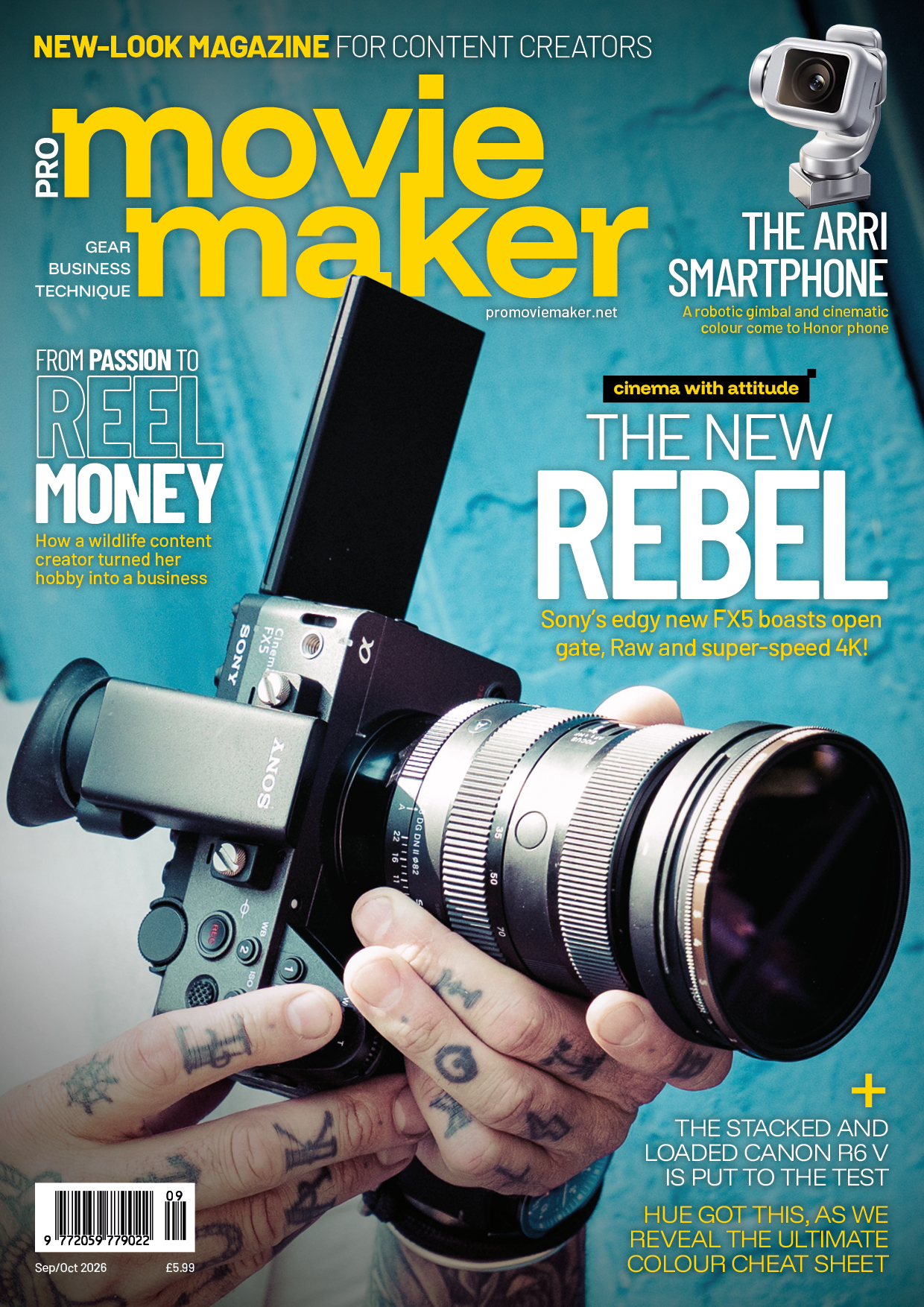
This article was first published in the July/August 2026 issue of Pro Moviemaker